





For PC builders, XMP e EXPO are now common terms when choosing high-performance DDR5 memory.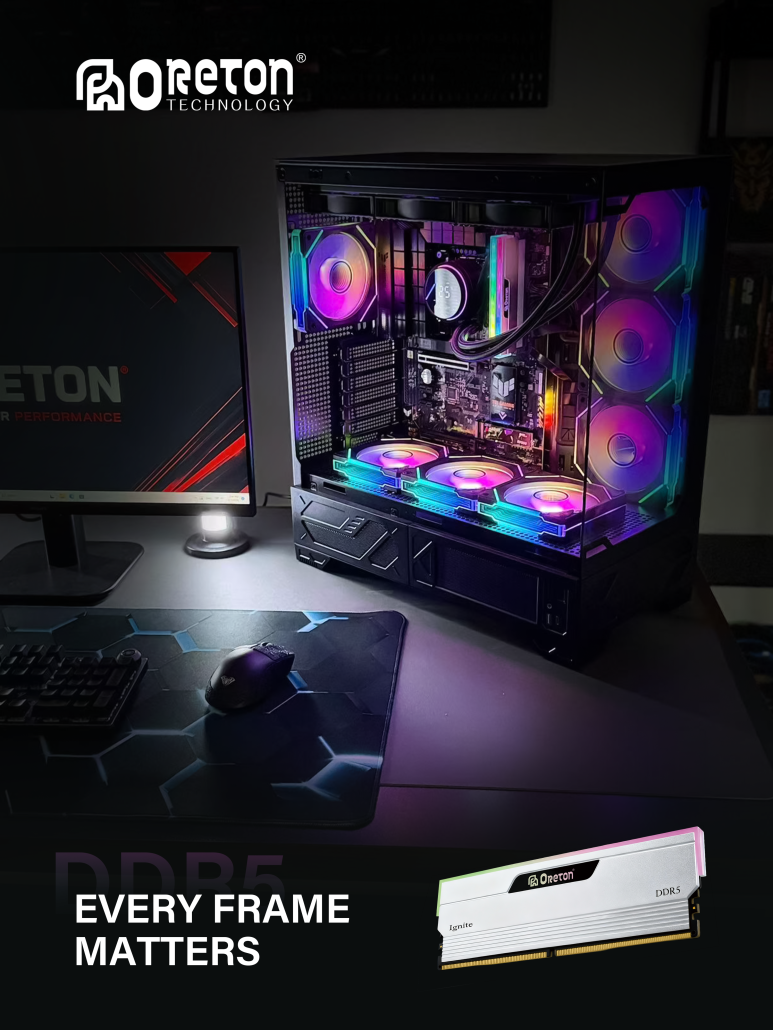
Many DDR5 kits, such as DDR5-6000, DDR5-6400, and higher, use pre-configured memory profiles to achieve higher frequencies and optimized timings beyond standard JEDEC settings.
The two most common technologies are:
Intel XMP
AMD EXPO
Their purpose is similar, but they are designed for different platform ecosystems.
1. What Are XMP and EXPO?
XMP, ou Extreme Memory Profile, is Intel’s memory performance profile technology.
EXPO, ou Extended Profiles for Overclocking, is AMD’s technology designed for Ryzen platforms.
In simple terms, both allow users to load manufacturer-tested memory settings through the motherboard BIOS instead of manually adjusting multiple parameters.
These profiles can include:
- Memory frequency
- Memory timings
- Memory voltage
- Other memory-related settings
For example, a DDR5 kit rated at:
DDR5-6000 CL30
may run at a lower JEDEC specification by default. Enabling an XMP or EXPO profile allows the system to apply the manufacturer’s predefined DDR5-6000 configuration.
2. XMP Is Commonly Used on Intel Platforms
XMP is widely used across Intel-based PC systems.
With an XMP-compatible DDR5 kit, users can enter the motherboard BIOS and select the available XMP profile.
Por exemplo:
DDR5-6400
CL32
1.40V
Once XMP is enabled, these predefined parameters are applied automatically.
Instead of manually adjusting:
- Frequência
- CAS latency
- tRCD
- tRP
- tRAS
- Tensão
XMP simplifies the process of configuring high-performance memory.
3. EXPO Is Designed for AMD Ryzen Platforms
EXPO serves a similar purpose but is designed specifically around the AMD Ryzen ecosystem.
A DDR5 kit may be specified as:
DDR5-6000
CL30
EXPO Profile
On a compatible AMD platform, users can select the EXPO profile in BIOS to apply the manufacturer’s predefined memory settings.
For modern Ryzen PC builds, EXPO has become an important feature of performance-oriented DDR5 memory.
4. What Is the Difference Between XMP and EXPO?
The simplest way to understand the difference is:
| XMP | EXPO | |
|---|---|---|
| Primary Platform | Intel | AMD |
| Full Name | Extreme Memory Profile | Extended Profiles for Overclocking |
| Main Purpose | Pre-configured memory performance settings | Pre-configured memory performance settings |
| Common Platform | Intel Core | AMD Ryzen |
| Typical Parameters | Frequency, timings, voltage | Frequency, timings, voltage |
| Configuração | BIOS | BIOS |
The basic objective is very similar:
Make it easier for users to run high-performance memory using manufacturer-tested settings.
5. Can XMP Memory Be Used on AMD Platforms?
This is a common question among PC builders.
The answer is:
It may work, but compatibility should not be assumed.
Some AMD motherboards can read and apply XMP-based memory profiles through their BIOS or memory compatibility features.
However, actual stability depends on several factors, including:
- CPU memory controller
- Motherboard
- BIOS version
- DRAM IC
- Memory capacity
- Memory frequency
- Memory timings
Therefore, seeing “XMP” on a memory kit does not automatically guarantee the same configuration will run on every AMD system.
6. Can EXPO Memory Be Used on Intel Platforms?
Similarly, EXPO memory is not physically restricted to AMD systems.
DDR5 memory modules remain standard memory modules, but the key question is whether the motherboard BIOS can correctly recognize and apply the relevant profile.
Some memory products provide both:
XMP Profile + EXPO Profile
This can make them particularly attractive for distributors and PC builders serving both Intel and AMD platforms.
7. Why Can DDR5 Become Unstable After Enabling XMP or EXPO?
This is an important aspect of DDR5 overclocking.
When memory operates above its base JEDEC specification, stability depends on more than the memory module itself.
CPU Memory Controller
Different CPUs can have different memory-controller capabilities.
Motherboard
PCB design, BIOS optimization and memory training can affect high-frequency memory stability.
DRAM IC
Different DRAM ICs can have different frequency and timing characteristics.
Configuração da memória
Por exemplo:
2 × 16GB
e
4 × 16GB
can place different levels of load on the memory controller.
BIOS / Platform Firmware
BIOS and platform firmware updates can also improve memory compatibility and high-frequency stability.
Therefore:
Memory rated speed does not automatically mean guaranteed speed on every system configuration.
8. Does Higher DDR5 Frequency Always Mean Better Performance?
Não necessariamente.
Consider:
DDR5-6000 CL30
versus
DDR5-7200 CL40
The second kit has a higher transfer rate, but real-world performance cannot be evaluated by frequency alone.
Other factors include:
- CAS latency
- Memory timings
- Memory controller
- Platform architecture
- Application workload
For gaming PCs, a balanced combination of frequency and timings can sometimes be more practical than simply pursuing the highest possible frequency.
A better way to evaluate DDR5 performance is:
Frequency + Timings + Platform Stability
9. XMP and EXPO Are Forms of Memory Overclocking
It’s important to understand that when XMP or EXPO is enabled, memory is generally operating using manufacturer-defined performance settings rather than standard JEDEC parameters.
In the technical sense, this falls under:
Memory Overclocking
However, for retail memory kits that have been tested and validated with these profiles, users typically only need to enable the appropriate profile in BIOS.
This is why performance DDR5 products commonly advertise specifications such as:
DDR5-6000 / XMP / EXPO
10. Should PC Builders Choose XMP or EXPO?
A simple approach is:
Intel PC
Look for:
XMP-compatible Memory
AMD Ryzen PC
Look for:
EXPO-compatible Memory
Cross-Platform Use
Consider:
Memory with Both XMP and EXPO Profiles
However, users should still check:
- CPU support
- Motherboard QVL
- BIOS version
- Memory specifications
- Manufacturer compatibility information
11. What Do XMP and EXPO Mean for Memory Manufacturers?
For memory manufacturers, XMP and EXPO are more than just labels on a product package.
A high-frequency DDR5 module requires validation across multiple components and stages:
DRAM IC
↓
PCB Design
↓
PMIC
↓
SPD / Memory Profile
↓
BIOS Compatibility
↓
Intel / AMD Platform Validation
↓
Stability Testing
Therefore, the value of a high-frequency DDR5 module is not simply whether it reaches 6000, 6400 or 7200 MT/s.
The more important question is whether it can consistently and reliably operate at its rated specifications on the intended platforms.
12. XMP vs EXPO: The Key Takeaway
In simple terms:
XMP = A widely used memory performance profile for Intel platforms
EXPO = A memory performance profile designed for AMD Ryzen platforms
Both technologies are designed to make high-performance memory configuration easier by applying predefined settings through BIOS.
However, actual memory stability still depends on the complete platform:
Memory + CPU + Motherboard + BIOS + IMC
That is why choosing DDR5 memory should involve more than looking at the frequency printed on the package.
For PC builders, the key factors are:
Frequency + Timings + Profile + Platform Compatibility + Stability
And for memory manufacturers and distributors, these factors are equally important when developing and positioning high-frequency DDR5 products.