





When it comes to memory and storage, many businesses, especially those in the OEM space, look for cost-effective solutions. Low-cost memory and storage options may seem appealing at first glance, but they often come with hidden costs that can significantly impact your bottom line in the long term. In this article, we’ll explore these hidden costs, examine how low-cost storage solutions can affect performance, durability, and reliability, and discuss how choosing the right storage solution can actually help you save more over time.
1. The Appeal of Low-Cost Memory and Storage Solutions
Low-cost memory and storage solutions typically promise competitive pricing, which makes them an attractive option for many OEMs, system integrators, and even consumers. These solutions often come in the form of lower-cost NAND chips, entry-level SSDs, and DRAM-less architectures.
However, the initial savings may come with trade-offs in terms of performance, lifespan, and reliability, which are often not immediately apparent.
2. Performance Trade-Offs: Slower Speeds, More Latency
One of the most significant drawbacks of low-cost memory and storage solutions is the impact on performance. These lower-priced solutions often cut corners in areas like:
- Read/Write speeds: The absence of DRAM in DRAM-less SSDs, for example, means that data transfer speeds can be slower, particularly in random read/write operations. This can result in noticeable lag, particularly in environments with heavy multitasking or large file transfers.
- Latency: Without proper caching mechanisms, low-cost SSDs and memory solutions suffer from higher latency, affecting system responsiveness. In critical use cases, such as enterprise applications or data-intensive workloads, this can cause significant delays and reduce productivity.
3. Increased Failure Rates: Reliability Risks
Low-cost memory and storage options often come with a higher risk of failure. These solutions might not undergo the same rigorous testing and quality assurance processes that higher-end models do. As a result, they may be more prone to:
- Higher failure rates: Cheaper NAND flash or lower-quality components can lead to faster wear and tear. Over time, this increases the likelihood of data loss or drive failure.
- Reduced endurance: For example, DRAM-less SSDs can suffer from higher amplificação de gravação, which means that more write cycles are required to manage the same amount of data. This accelerates NAND wear and can lead to a reduced lifespan.
4. Cost of Downtime and Data Loss
A critical issue with low-cost memory and storage solutions is the potential for unexpected failures, which can result in:
- Data loss: In the event of a failure, the loss of critical data can be catastrophic for a business. Rebuilding data or restoring from backups can be both time-consuming and costly.
- System downtime: When storage fails, it leads to downtime. For OEMs or businesses that rely on continuous production or customer-facing systems, downtime translates to loss of productivity, missed deadlines, and even customer dissatisfaction.
5. Higher Long-Term Maintenance and Support Costs
Low-cost storage solutions often require more frequent repairs, replacements, and support, which contribute to hidden long-term costs. These costs can include:
- More frequent replacements: If a low-cost solution fails prematurely, you may need to replace it more often than a higher-quality, more reliable alternative. Over time, these replacement costs add up.
- Increased maintenance and technical support: Poorly performing or unreliable solutions require more attention from your IT or technical teams, driving up labor costs and reducing overall operational efficiency.
6. Efficiency vs. Cost: Hidden Cost of Energy
Storage solutions that are optimized for performance and durability are typically more energy-efficient. On the other hand, low-cost memory and storage solutions often consume more power due to:
- Inefficient controllers: DRAM-less SSDs, for example, may require more power to manage data than their DRAM-equipped counterparts.
- Increased wear and tear: Solutions that fail prematurely or perform inefficiently can lead to more frequent power cycles, contributing to higher energy consumption.
This means that the initial cost savings are offset by higher energy costs over the lifespan of the product.
7. The Real Value of Investing in Quality Storage Solutions
Investing in higher-quality memory and storage solutions offers numerous long-term benefits that low-cost solutions simply can’t match. These benefits include:
- Longer lifespan: Quality SSDs with DRAM caches or better NAND technologies like TLC or MLC offer greater endurance and reliability. This means fewer replacements and less downtime over time.
- Consistent performance: High-quality solutions maintain stable performance under heavy workloads, while low-cost solutions are more prone to performance degradation under pressure.
- Reduced Total Cost of Ownership (TCO): While the initial cost may be higher, premium storage solutions can actually save money over the long term by reducing failures, downtime, and maintenance costs.
8. Why Oreton Offers a Balanced Approach
At Oreton, we understand the need for cost-effective storage solutions without compromising on performance and reliability. While we specialize in SSDs sem DRAM, which offer a more budget-friendly option, we also provide DRAM-equipped SSDs for customers who require higher performance and stability.
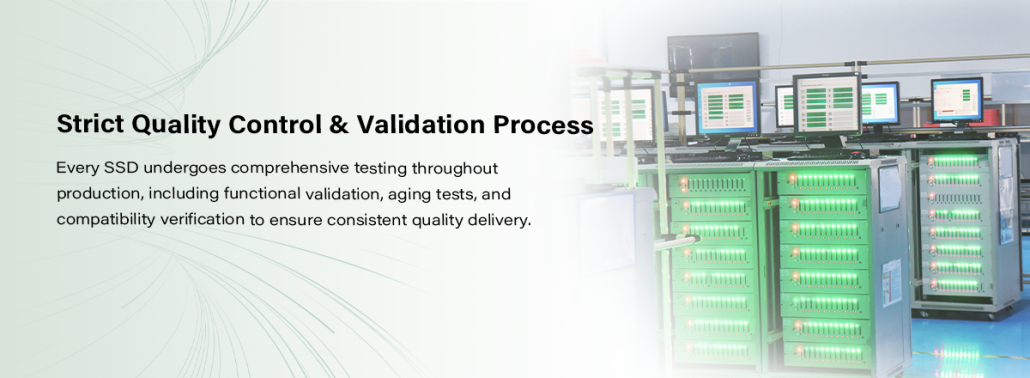
Both options are built with rigorous testing and quality assurance to ensure long-term reliability and consistency. With Oreton, you get the flexibility to choose the right solution based on your needs—without sacrificing quality.
Our SSDs are designed to:
- Maximize cost efficiency without compromising on performance
- Provide stable, reliable storage solutions for demanding OEM applications
- Offer a low return rate through meticulous testing before shipment
For partners and OEMs looking to optimize their storage solutions, Oreton’s flexible product line ensures that you’re making an investment that pays off in the long run.

Conclusion: The Long-Term Value of Choosing the Right Storage Solution
While low-cost memory and storage solutions may seem attractive upfront, the hidden costs associated with performance degradation, failure rates, and frequent replacements can quickly outweigh the initial savings. For OEMs and businesses seeking long-term stability and lower operational costs, it’s critical to carefully consider the true cost of these solutions.
By choosing a trusted provider like Oreton, you can ensure that your storage solutions are reliable, efficiente cost-effective—helping your business save more in the long run.
Interested in optimizing your storage solutions? Contact Oreton to discuss our full range of DRAM and DRAM-less SSDs that meet both your budget and performance requirements. Let us help you find the right storage solution for your needs.