





When people talk about SSDs, they often focus on speed — boot times, file transfers, benchmark scores. But the real value of an M.2 SSD lies not only in how fast it is, but in how it silently enhances your day-to-day experience, especially in real-world workflows like office productivity and light content creation.
In this post, let’s look beyond the numbers and explore how M.2 SSDs offer practical, long-term advantages in real working environments.
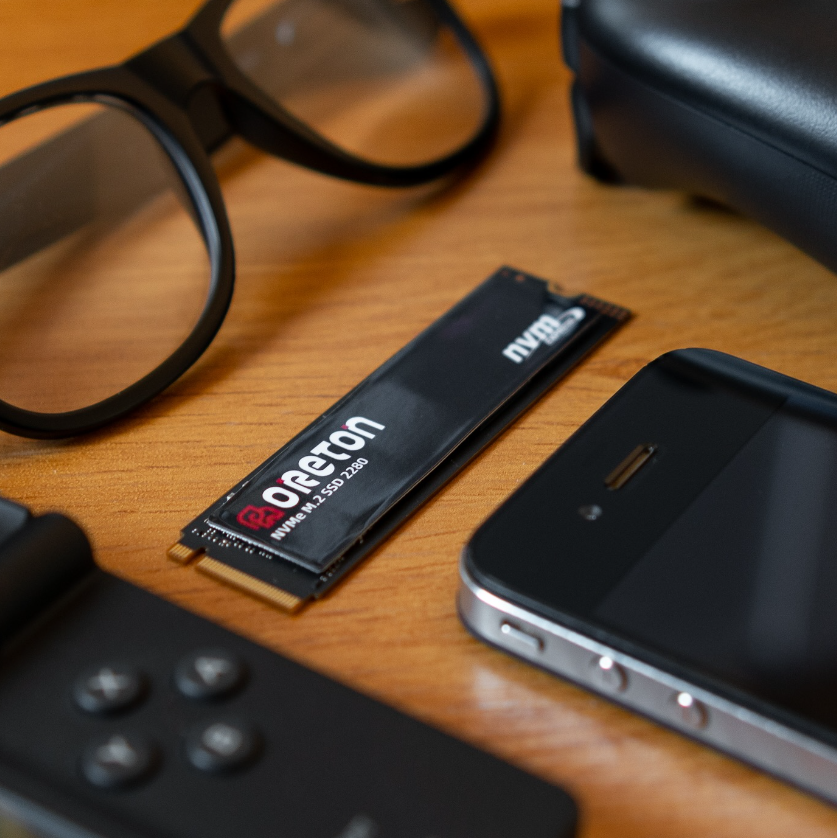
Why Choose an M.2 SSD?
Compared to traditional 2.5″ SATA SSDs, M.2 SSDs provide several key advantages:
- Higher performance potential: M.2 SSDs using the NVMe protocol can achieve much higher read/write speeds, drastically reducing I/O bottlenecks.
- Compact, cable-free design: They plug directly into the motherboard, making them ideal for ultra-thin laptops, mini PCs, and space-conscious setups.
- Efficient performance: Thanks to optimized power usage and thermal control, modern M.2 SSDs offer strong performance without excessive heat or power draw.
These aren’t just spec sheet improvements — they translate into meaningful gains in everyday workflows.
M.2 SSDs in the Office: More Than Just Faster Boot Times
For typical office users, M.2 SSDs do more than just speed up Windows login:
- Smoother multitasking: Seamlessly switch between Excel spreadsheets, cloud-based platforms, and video conferencing tools — all without system slowdown.
- Faster software response: Large applications like Word, PowerPoint, Teams, or Outlook load and respond faster.
- Better background task handling: Services like antivirus scans, file sync, or updates run quietly in the background, no longer dragging your system down.
In an enterprise context, these improvements mean more than convenience — they translate into greater employee productivity and less IT downtime.
For Light Creators: M.2 SSDs Are the Right Fit
You don’t need a high-end workstation to do creative work — many photographers, editors, and creators work from lightweight laptops or compact desktops. That’s where M.2 SSDs shine:
- Faster media access: Open large RAW images, video files, or sound libraries in seconds.
- Smoother autosaves and previews: Edit with peace of mind as the SSD keeps up with frequent saves and render previews.
- Stable long-term performance: Fewer crashes, freezes, or lost progress, even during longer creative sessions.
In short, M.2 SSDs bring professional-grade responsiveness to mainstream devices.
Not All M.2 SSDs Are the Same: What to Consider
Before you upgrade or deploy at scale, here are four critical factors to evaluate:
- Tipo de interface: Not all M.2 SSDs are NVMe; some are SATA-based. Be sure to check what your device supports.
- Controller and NAND quality: These determine consistency, longevity, and heat control.
- Desempenho térmico: Even within compact devices, simple heat spreaders or built-in motherboard heatsinks can maintain long-term stability.
- Firmware and support: Business deployments especially benefit from vendors offering stable firmware and post-sales service.
Choosing the right M.2 SSD is not just about speed — it’s about selecting a reliable, compatible, and efficient component for your daily operations.
Practical Value = Long-Term Performance, Not Just Peak Speed
If you’re thinking of upgrading or equipping your team with SSDs, it’s worth shifting the perspective:
M.2 SSDs are not luxury components — they’re foundational tools that improve system responsiveness, reduce downtime, and support modern workflows. In most cases, you don’t need the fastest drive on the market. You need the right one — with balanced specs, tested stability, and long-term reliability.
Oreton M.2 SSDs — Practical Speed, Proven Stability
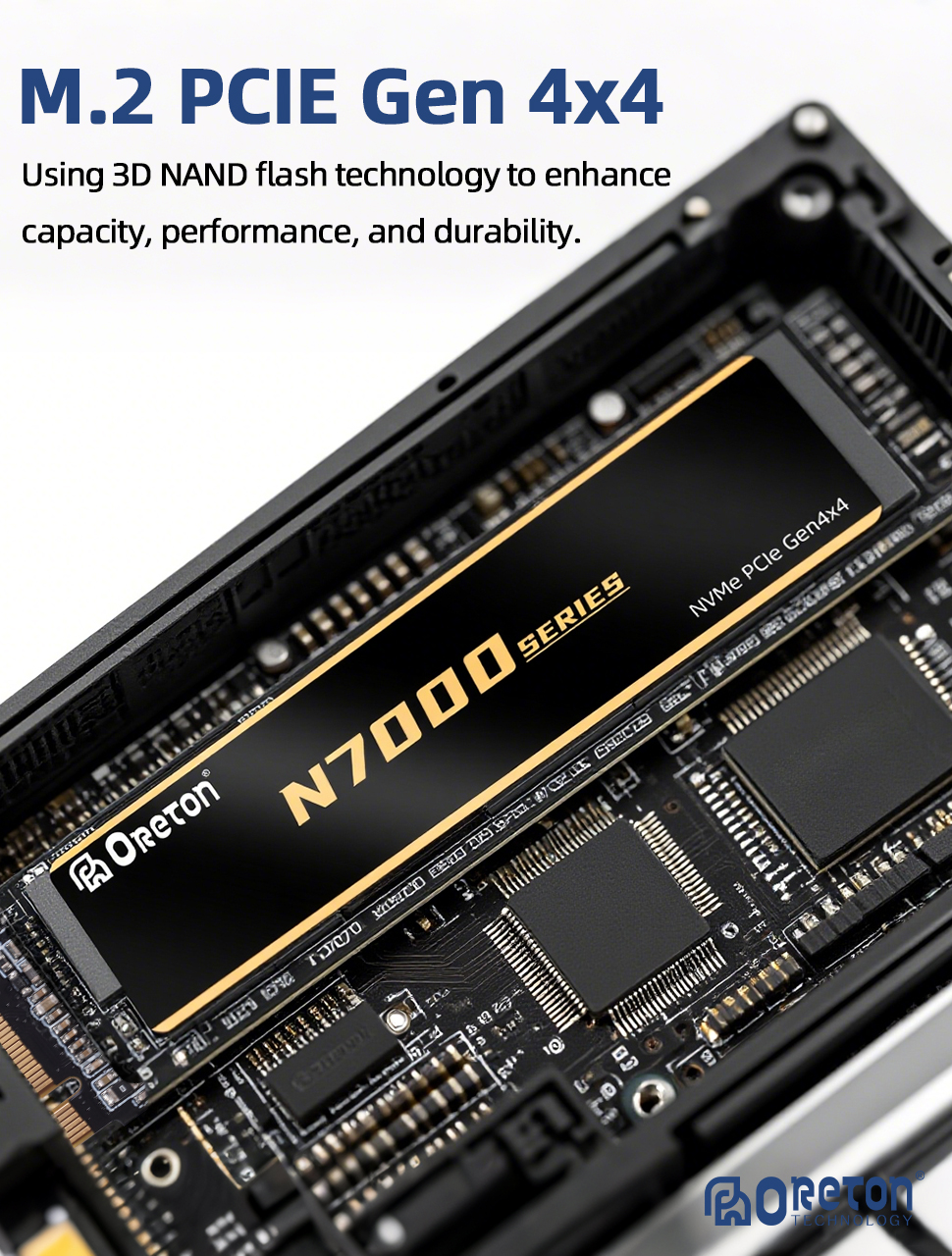
At Oreton, we design our M.2 SSDs with real-world performance and reliability in mind. From PCIe Gen 3 to Gen 4 models, our drives are widely used in compact PCs, workstations, and commercial systems around the world.
Whether you’re an IT manager, system builder, or small business operator, our storage solutions offer a powerful balance of speed, durability, and compatibility — without unnecessary overhead.
🔗 Explore more: M.2 PCIe SSD – Ultra-Fast Storage for Performance & Gaming (oretonstorage.com)
What are your experiences using M.2 SSDs in your workflow? Have you faced compatibility or thermal challenges during deployment? Let’s connect and share ideas.