





When choosing memory, most people focus on capacity—8GB, 16GB, or 32GB. But another spec often shows up in product listings: RAM speed (e.g., 3200MHz, 5600MHz, 6000MHz).
So the real question is:
Does RAM speed actually make a noticeable difference?
The answer isn’t a simple yes or no—it depends on how you use your system.
1. What RAM Speed Actually Means
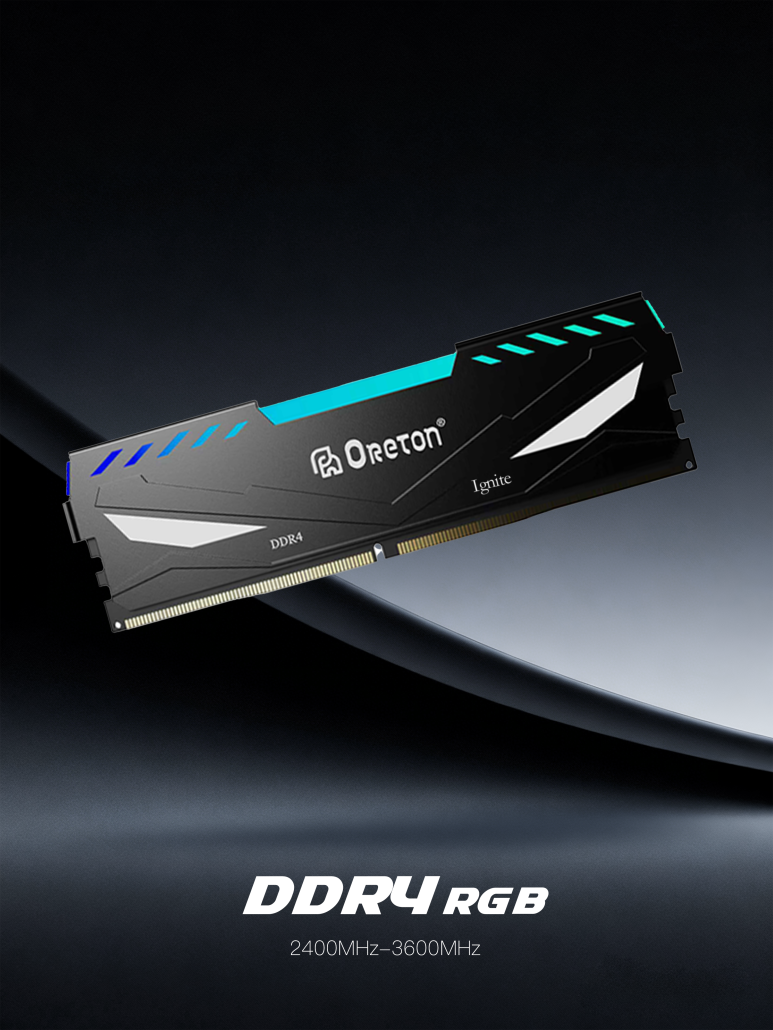
RAM speed (measured in MHz or MT/s) determines how quickly data can be transferred between memory and the CPU.
Higher speed = more bandwidth
Lower latency (in some cases) = faster response
But raw numbers don’t always translate directly into real-world performance.
2. RAM Speed in Gaming
🎮 When It Tem Matter
RAM speed can have a noticeable impact in:
- CPU-bound games (e.g., esports titles like CS2, Valorant)
- High refresh rate gaming (144Hz / 240Hz)
- Systems using integrated graphics (iGPU uses system RAM)
In these cases, faster RAM can improve:
- Minimum FPS (frame stability)
- Frame consistency (less stutter)
- Input responsiveness
👉 The difference is often 5%–15%, depending on the setup.
🎮 When It Doesn’t Matter Much
In GPU-heavy games (AAA titles at high settings), performance is usually limited by the graphics card, not RAM speed.
👉 In these scenarios:
- The FPS difference between 3200MHz and 6000MHz may be very small
- You’re more GPU-bound than memory-bound
3. RAM Speed in Daily Use
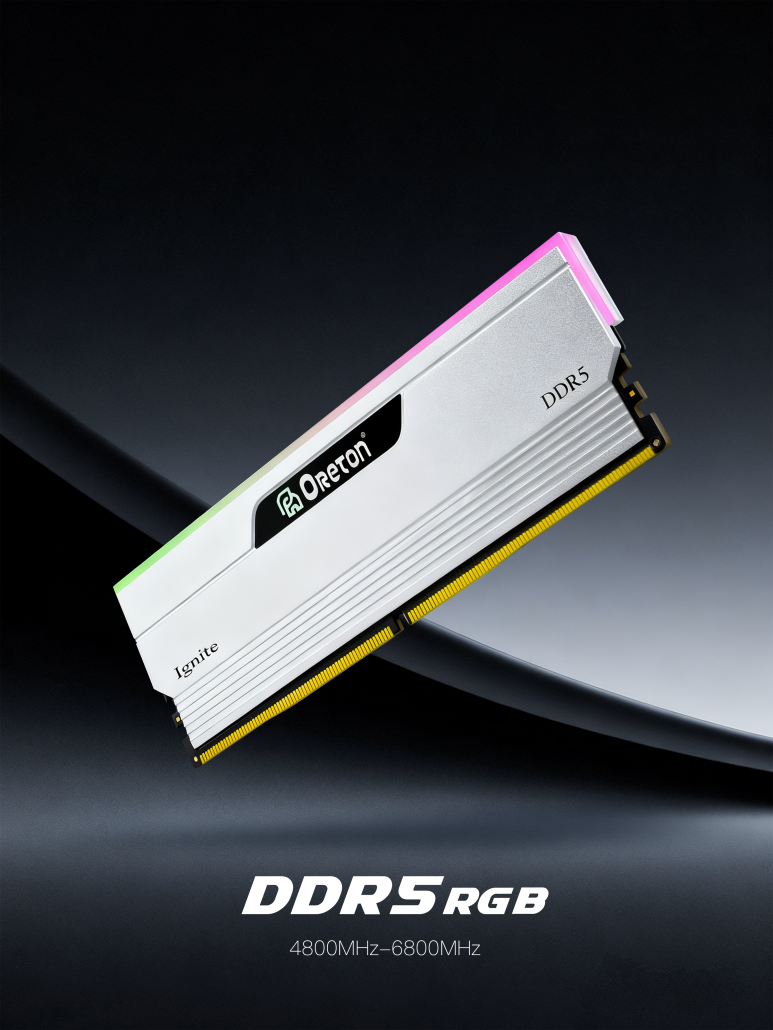
For everyday tasks like:
- Navegação na web
- Office work
- Transmissão de vídeo
- Light multitasking
👉 RAM speed has minimal noticeable impact
What matters more:
- Enough capacity (e.g., 16GB instead of 8GB)
- System responsiveness (SSD plays a bigger role)
In most daily scenarios, users won’t feel a difference between mid-range and high-end RAM speeds.
4. Capacity vs Speed: What Matters More?
If you’re choosing between:
👉 More RAM (capacity)
vs
👉 Faster RAM (speed)
In most cases:
✔ Capacity comes first
✔ Speed comes second
Exemplo:
- 16GB 3200MHz → better than → 8GB 6000MHz
- 32GB 4800MHz → better than → 16GB 7200MHz (for multitasking)
👉 Running out of RAM hurts performance far more than slower RAM.
5. DDR4 vs DDR5: Does Speed Matter More Now?
Com DDR5, higher speeds are more common—but so are higher latencies.
Key differences:
- DDR5 → higher bandwidth
- DDR4 → often lower latency (in older systems)
In real-world use:
- DDR5 shows clearer benefits in newer platforms
- But gains still depend on CPU + motherboard support
👉 Faster DDR5 (e.g., 6000MHz+) can be beneficial—but only if the system is optimized for it.
6. Dual Channel Matters More Than You Think
Before worrying about RAM speed, check this:
👉 Are you running memória de canal duplo?
- 2×8GB > 1×16GB
- 2×16GB > 1×32GB
Dual-channel can improve performance more than increasing speed alone.
7. When Faster RAM Is Worth It
✔ Gaming with high FPS targets
✔ Using integrated graphics
✔ High-performance desktop builds
✔ Content creation (some workloads benefit)
8. When It’s Not Worth Paying Extra
❌ Basic office / browsing use
❌ Budget builds
❌ GPU-limited gaming setups
❌ Systems where capacity is already low
Final Verdict
RAM speed does matter—but not always as much as people think.
👉 For gaming:
- It helps, especially in CPU-bound scenarios
👉 For daily use:
- You likely won’t notice the difference
👉 For most users:
- Capacity + system balance matter more than chasing the highest MHz
Sobre Oreton
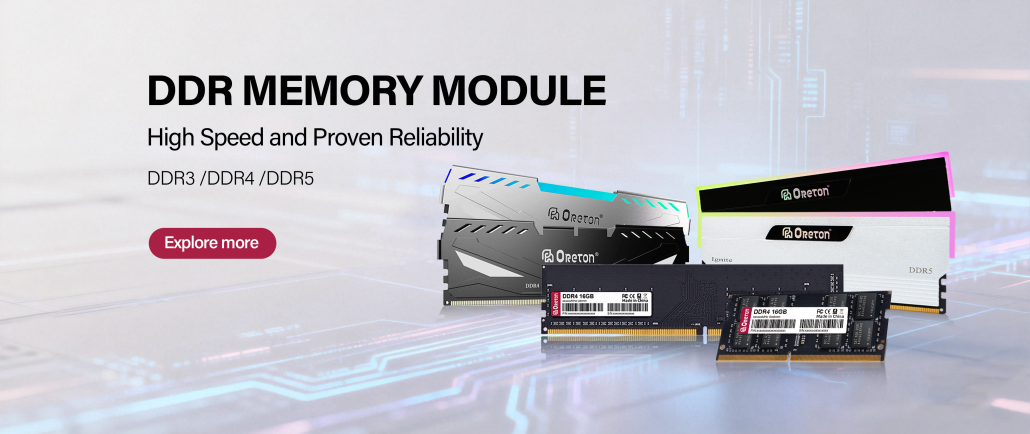
At Oreton, we focus on memory solutions that balance real-world performance and long-term stability.
From practical DDR4 configurations to high-frequency DDR5 options, we support different system needs with consistent quality and controlled production standards.
Because performance is important—
but stability is what users rely on every day.