





Understanding how memory design influences product positioning, customer preferences, and market competitiveness
When discussing DDR memory products, performance specifications such as capacity, frequency, and latency often receive the most attention. However, for brands, distributors, and OEM customers, the heatsink design of a memory module can be just as important.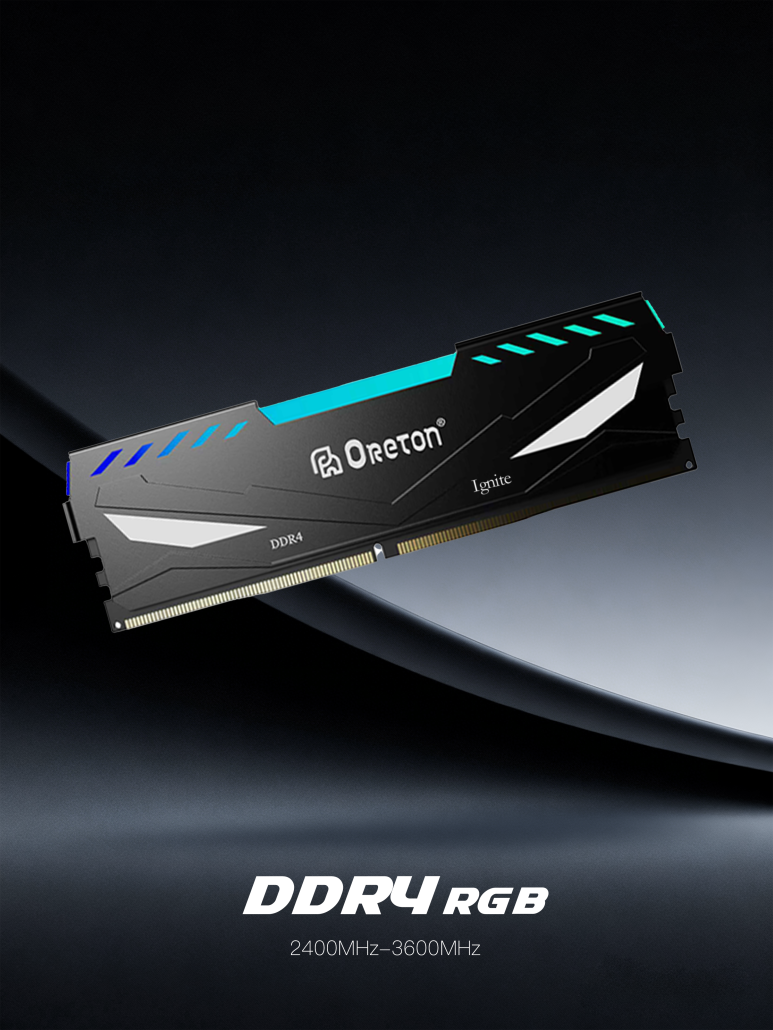
In today’s market, memory heatsinks are no longer simply functional components. They have become part of product positioning, influencing customer perception, system compatibility, thermal management, and even purchasing decisions.
For companies planning memory product lines or OEM projects, selecting the right heatsink design is about much more than appearance. It requires understanding the target market, customer expectations, and application scenarios.
Memory Design Has Become Part of Product Positioning
As the PC hardware market has evolved, memory products have become increasingly diversified.
A gaming enthusiast looking for an RGB-equipped system may expect an aggressive and visually distinctive heatsink design. Meanwhile, a business customer deploying hundreds of office PCs may prioritize compatibility, reliability, and cost efficiency.
Although both products serve the same basic function, their design requirements can be completely different.
This is why successful memory product planning begins with understanding who the end user is and what they value most.
Gaming Markets Often Prioritize Visual Identity
In gaming and DIY PC segments, memory modules are often visible through tempered glass side panels and RGB lighting setups.
As a result, heatsink design plays an important role in overall system aesthetics.
Common characteristics include:
- RGB lighting integration
- Larger aluminum heatsinks
- Aggressive geometric styling
- Brand-focused visual identity
For gaming-oriented products, appearance can become a key differentiator in a highly competitive market.
Customers in this segment frequently evaluate products based not only on specifications, but also on how well they complement the overall system design.
Commercial and Office Systems Focus on Practicality
In contrast, commercial deployments typically place less emphasis on visual features.
System integrators and business customers often prioritize:
- Stable operation
- Broad compatibility
- Lower overall system cost
- Easy installation and maintenance
For these applications, simple and clean heatsink designs are often preferred.
Low-profile solutions can also improve compatibility with various chassis configurations and cooling systems, making deployment easier across large projects.
System Integrators Need to Consider Compatibility
One factor that is sometimes overlooked is physical compatibility.
Memory heatsink height can directly affect:
- CPU cooler clearance
- Small form factor systems
- Compact workstation builds
- Industrial and embedded platforms
A visually impressive heatsink may not always be the best choice if it creates installation limitations.
For OEM projects, selecting a heatsink design that balances thermal performance and compatibility is often more important than pursuing the largest possible heatsink.
Thermal Design Still Matters
While modern DDR4 and DDR5 memory modules are generally efficient, thermal management remains an important consideration, especially in: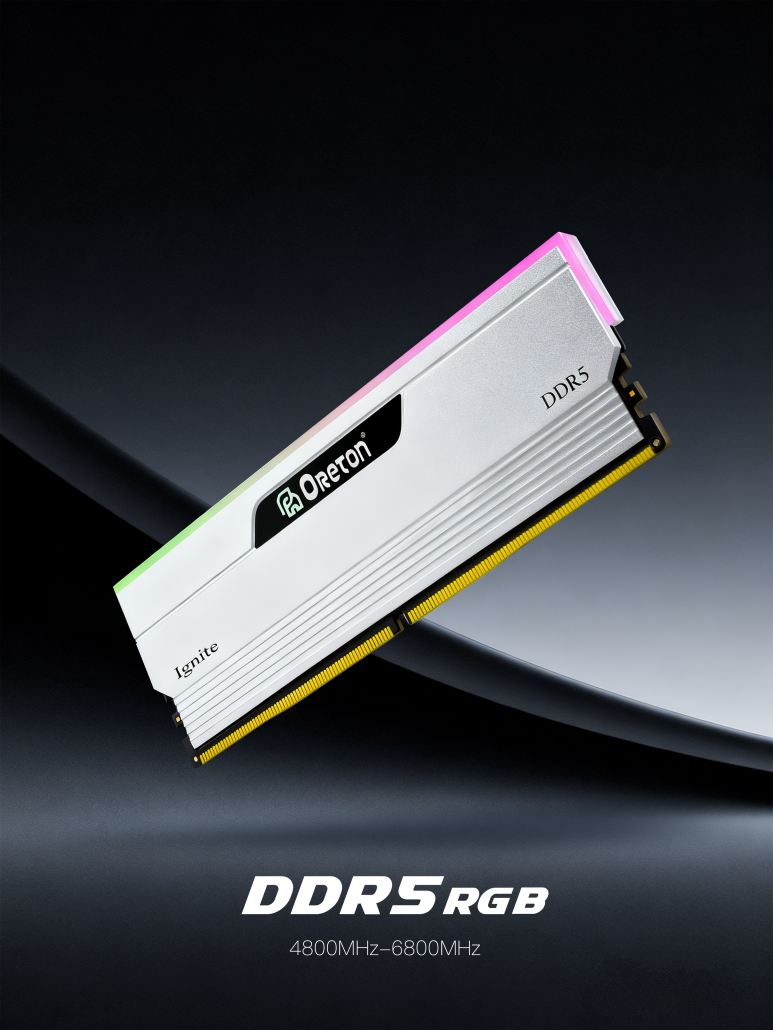
- High-frequency configurations
- Performance-oriented systems
- Workstations under sustained workloads
- Systems operating in warm environments
A properly designed aluminum heatsink helps distribute heat more effectively and contributes to consistent operating conditions.
However, effective thermal design is not simply about making a heatsink larger. Material quality, contact structure, airflow considerations, and overall design efficiency all play important roles.
For OEM customers, thermal performance should be evaluated alongside appearance, compatibility, and manufacturing cost.
Different Regions Often Show Different Preferences
One observation frequently seen in global markets is that customer preferences vary significantly by region.
Some markets show strong demand for RGB-equipped gaming products, while others focus primarily on reliability and value.
Likewise, certain customers may prefer modern industrial-style designs, while others favor more traditional and conservative appearances.
Understanding these preferences can help brands and distributors build product portfolios that align more closely with local market demand.
Rather than offering a single design for every market, many successful brands develop multiple product lines targeting different customer segments.
Customization Is Becoming Increasingly Important
As competition grows, many OEM customers are looking for ways to differentiate their products.
Memory heatsink customization can include:
- Unique heatsink designs
- Customized colors and finishes
- Laser engraving
- Private labeling
- Custom packaging solutions
These options allow brands to create stronger product identity while maintaining consistent hardware performance.
For distributors and OEM customers, customization can provide a valuable advantage in competitive markets where visual differentiation influences purchasing decisions.
Balancing Appearance, Cost, and Market Demand
One of the biggest challenges in memory product planning is balancing multiple priorities.
An advanced heatsink design may improve product presentation but also increase manufacturing costs.
A low-profile design may improve compatibility but appeal less to gaming-focused customers.
Similarly, RGB integration can enhance market appeal while adding complexity and cost.
The optimal solution depends on the intended market rather than a universal design standard.
Successful memory products are often those that achieve the right balance between:
- Market expectations
- Product positioning
- Desempenho térmico
- Compatibilidade
- Cost efficiency
Conclusão
Choosing the right DDR memory heatsink design is ultimately a strategic decision rather than a purely technical one.
Different customer groups have different expectations, and the most effective design is the one that aligns with the needs of the target market.
Whether serving gaming enthusiasts, commercial deployments, system integrators, or OEM projects, memory products should be designed with a clear understanding of how appearance, thermal design, compatibility, and cost contribute to overall market success.

Em Oreton, we offer a range of DDR memory solutions designed to support different market
requirements, from performance-focused gaming products to practical commercial and OEM-oriented configurations. By combining reliable components, thoughtful thermal design, and flexible customization options, we help partners build memory products that align with their brand positioning and customer expectations.
As memory markets continue to evolve, understanding these design considerations will remain an important part of developing competitive and successful product portfolios.