





Why Random Read Performance Matters More Than Sequential Speed
For years, SSD marketing has focused heavily on one thing:
👉 sequential speed.
You’ve probably seen numbers like:
- 3500 MB/s
- 5000 MB/s
- 7000 MB/s
- even 14000 MB/s
And naturally, many users assume:
higher sequential speed = faster SSD.
But in real-world use, things are far more complicated.
Because the performance that actually makes a PC feel fast is often not sequential speed at all.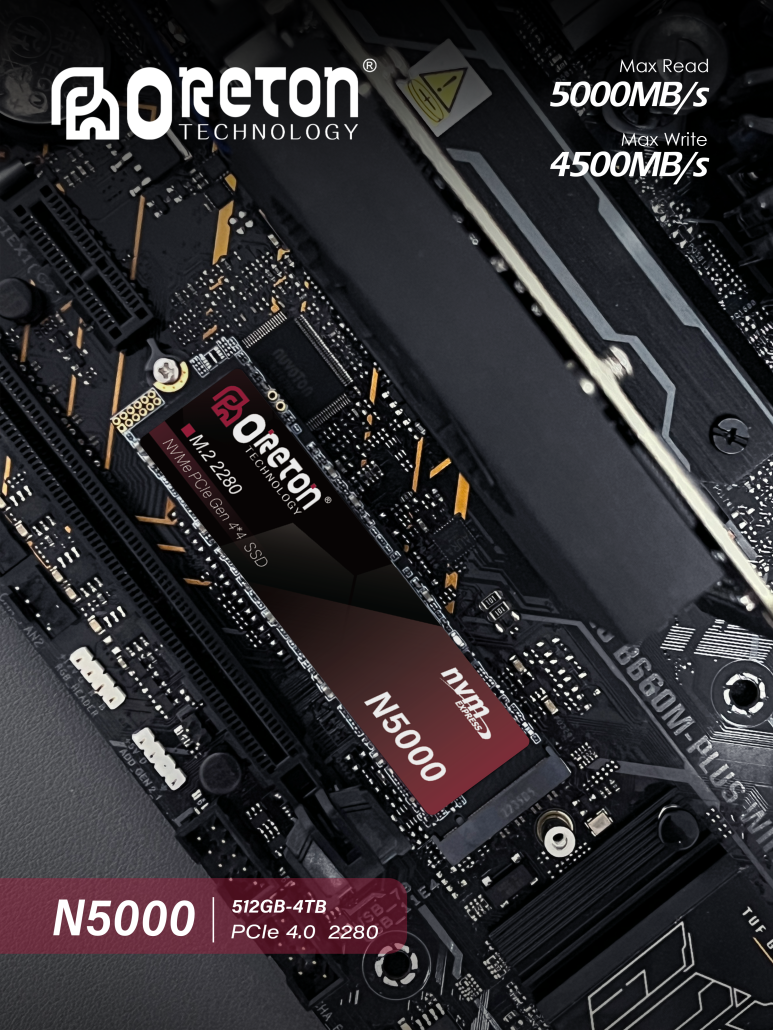
Instead, one of the most important — and most overlooked — aspects of SSD behavior is:
👉 random read performance.
This is the part of SSD performance that affects:
- system responsiveness
- application launching
- Windows behavior
- multitasking smoothness
- game asset loading
- overall “snappiness”
And in many everyday workloads, random performance matters far more than maximum sequential bandwidth.
1. Sequential Speed vs Random Performance
To understand why this matters, it’s important to separate the two.
Sequential Performance
Sequential speed measures how quickly an SSD can read or write large continuous files.
Ejemplos:
- copying large videos
- moving archives
- transferring game installations
This is where manufacturers advertise numbers like:
- 7000 MB/s read
- 6500 MB/s write
These speeds are real —
but they only represent specific workloads.
Random Performance
Random performance measures how quickly the SSD accesses many small files scattered across the drive.
This is much closer to how real operating systems behave.
Modern PCs constantly access:
- small system files
- application assets
- browser cache
- game shaders
- background services
- temporary data
These operations are random, fragmented, and latency-sensitive.
And this is where SSD responsiveness truly matters.
2. Why Your PC Rarely Operates Sequentially
This is one of the biggest misconceptions about SSD performance.
Most everyday tasks do NOT involve moving one giant file continuously.
When you:
- boot Windows
- launch Chrome
- open dozens of tabs
- start a game
- multitask between applications
your system is accessing thousands of small files simultaneously.
Esto significa que:
👉 latency and random access speed become far more important than peak bandwidth.
Example: Real-World Workload Behavior
| Workload | Sequential Heavy | Random Heavy |
|---|---|---|
| Large video transfer | ✔ | |
| Windows boot process | ✔ | |
| Browser launching | ✔ | |
| Game asset loading | ✔ | |
| File archive extraction | mixed | mixed |
| Multitarea | ✔ |
3. Why Some SSDs “Feel” Faster Than Others
This explains why two SSDs with similar advertised speeds can feel completely different in actual use.
Ejemplo:
| SSD | Advertised Sequential Read |
|---|---|
| SSD A | 7400 MB/s |
| SSD B | 7000 MB/s |
On paper:
they look almost identical.
But in real workloads:
- application launch times
- capacidad de respuesta en la multitarea
- system smoothness
- background behavior
may differ noticeably.
¿Por qué?
Because:
- controller quality
- firmware optimization
- NAND latency
- cache behavior
- random read efficiency
matter far more than many users realize.
4. Random Read Performance Affects System Responsiveness
This is where SSD behavior becomes visible to users.
High random read performance improves:
- desktop responsiveness
- application startup speed
- task switching
- background operation smoothness
- file indexing
- operating system behavior
This is often why:
👉 a “slower” SSD on paper may still feel smoother in real-world use.
Example: Sequential Speed vs Real Responsiveness
| SSD Type | Lectura secuencial | Random Read Behavior | Real-World Feel |
|---|---|---|---|
| Budget PCIe 4.0 SSD | Muy alta | Moderado | sometimes inconsistent |
| Optimized mid-range SSD | Slightly lower | Strong | smoother overall |
| SSD SATA | Much lower | Baja | still responsive for daily tasks |
5. Gaming Performance Depends More on Random Access Than Most People Think
Many users assume game performance only depends on:
- GPU
- CPU
- average FPS
But modern games increasingly rely on rapid asset loading systems.
Open-world engines constantly stream:
- texturas
- geometría
- sombreadores
- environment data
during gameplay.
These workloads involve:
- many small file accesses
- low-latency requests
- rapid asset retrieval
not just large sequential transfers.
Esta es la razón:
👉 random read performance increasingly affects:
- suavidad de desplazamiento
- carga de sombreadores
- transmisión de texturas
- stuttering behavior
- frame pacing consistency
especially in modern open-world games.
6. Why Benchmark Numbers Can Be Misleading
Most SSD marketing focuses on sequential throughput because:
- the numbers look impressive
- they are easy to advertise
- they scale dramatically with PCIe generations
But real-world responsiveness depends far more on:
- latency
- sustained behavior
- random access efficiency
- cache consistency
Esta es la razón:
👉 benchmark leadership does not always translate into a faster-feeling system.
Example: Real-World Difference Shrinks Quickly
| SSD Type | Lectura secuencial | Typical Daily Experience |
|---|---|---|
| SSD SATA | ~550 MB/s | responsive |
| PCIe 3.0 NVMe | ~3500 MB/s | más rápido |
| PCIe 4.0 NVMe | ~7000 MB/s | slightly smoother |
| PCIe 5.0 NVMe | ~12000+ MB/s | diminishing returns in many daily tasks |
Observación:
Sequential speed scales massively.
But everyday responsiveness improves much more gradually.
7. Latency Matters More Than Peak Speed
One of the hidden reasons random performance matters so much is latency.
Sequential bandwidth measures:
👉 how much data can move.
Latency measures:
👉 how quickly the SSD responds.
And modern operating systems depend heavily on rapid response behavior.
Lower latency improves:
- responsiveness
- smoothness
- task switching
- application behavior
This is why many users notice:
- faster-feeling desktops
- smoother multitasking
- quicker launches
even when average benchmark differences appear small.
8. Controller Architecture Plays a Huge Role
This is another overlooked factor.
SSD performance depends heavily on:
- controller design
- firmware optimization
- cache strategy
- NAND management
- thermal behavior
Two drives using the same PCIe generation may behave very differently under sustained workloads.
Especially during:
- long gaming sessions
- multitarea intensa
- background application activity
- large file operations
consistency matters more than short benchmark bursts.
9. Why Cheap SSDs Often Feel Fast at First
Many low-cost SSDs rely heavily on cache acceleration.
Initially:
- burst performance looks excellent
- benchmarks appear competitive
But once the cache fills:
- write speed may collapse
- latency may increase
- responsiveness may degrade
This is one reason sustained performance and controller quality matter far more than many spec sheets suggest.
10. Modern PCs Depend More on Random Workloads Than Ever
Modern operating systems constantly perform:
- indexing
- synchronization
- background updates
- almacenamiento en caché
- asset management
- multitasking operations
At the same time, games and applications continue growing in complexity.
As workloads become increasingly fragmented and data-driven:
👉 random access performance becomes more important —
not less.
11. Sequential Speed Still Matters — But Mostly in Specific Workloads
Sequential performance is still important for:
- large media transfers
- professional video editing
- large archive movement
- heavy production workloads
But for typical daily responsiveness:
- lecturas aleatorias
- latency
- sustained consistency
often define user experience far more clearly.
12. Conclusión final
Sequential SSD speeds are easy to market because the numbers are large and easy to compare.
But real-world PC responsiveness depends far more on:
- random access behavior
- latency
- eficacia del controlador
- sustained consistency
This is why some SSDs feel dramatically smoother than others even when advertised speeds appear similar.
Because modern computing performance is no longer only about how fast data moves in a straight line —
it’s about how efficiently the system handles thousands of small requests every second.
And that is where random read performance matters most.
Acerca de Oreton
At Oreton, we focus on storage solutions designed around real-world responsiveness rather than headline numbers alone.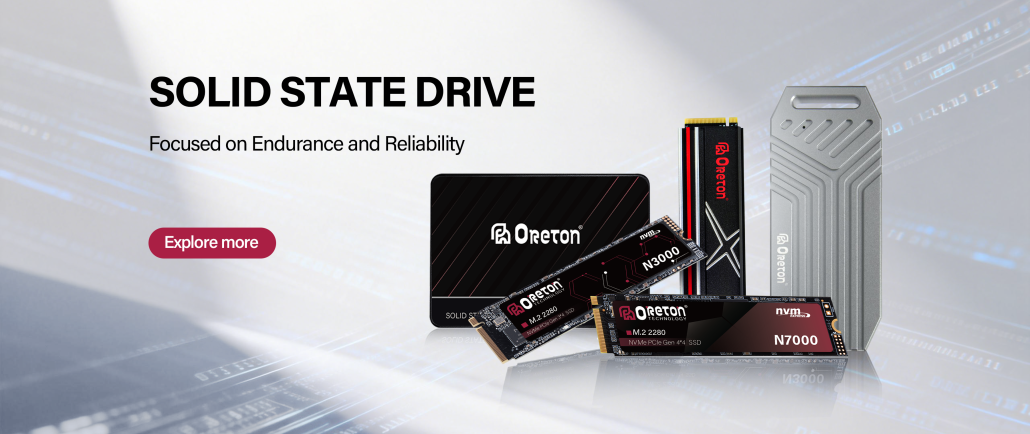
From reliable SATA SSDs to high-speed NVMe solutions, our products are optimized for consistent behavior, low-latency responsiveness, and stable long-term performance across different workloads and platforms.
Because real SSD performance is not only about peak speed —
it’s about how smoothly the system performs every day.