





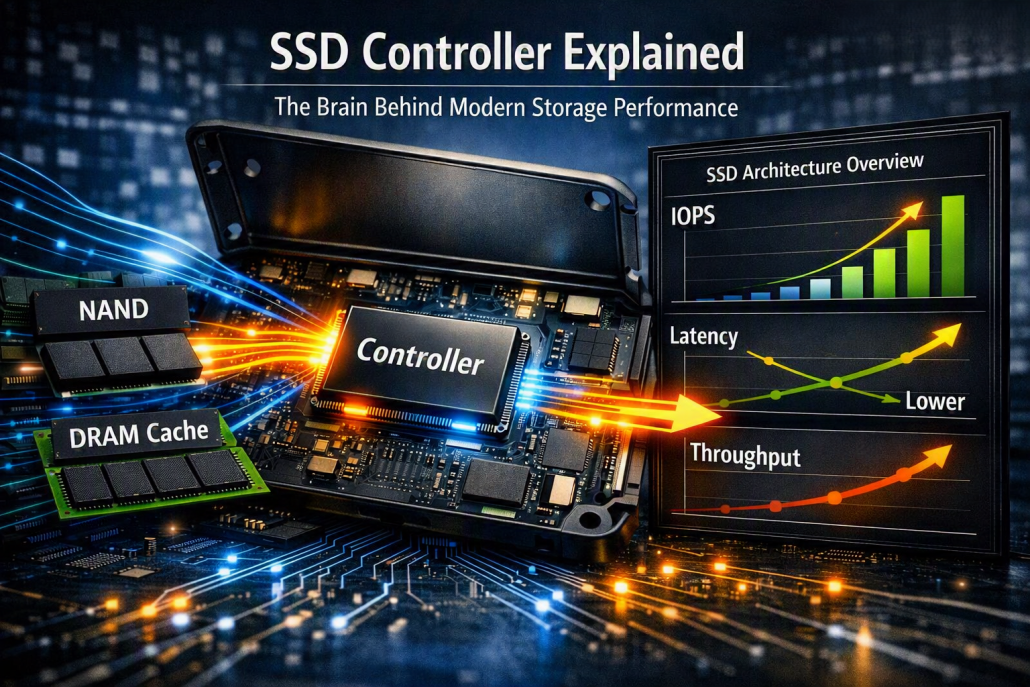
Introduction When evaluating SSD performance, most users focus on specifications such as: Sequential read speed Sequential write speed PCIe generation NAND Flash type Capacity However, behind every high-performance SSD is another critical component that directly influences speed, stability, endurance, and reliability: The SSD Controller. Often described as the “brain” of an SSD, the controller manages…
Archivos de Categoría: Blog
04
Agosto
Agosto
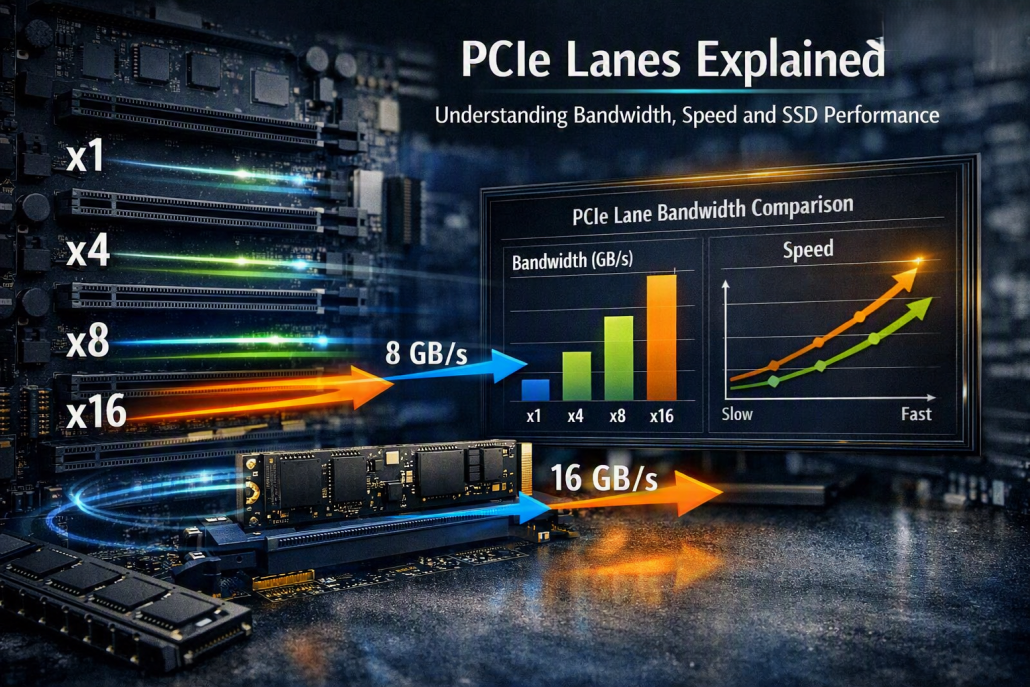
Introduction When shopping for an NVMe SSD, specifications such as PCIe Gen4 x4, PCIe Gen5 x4, or PCIe x2 often appear on product pages. While many users understand that newer PCIe generations offer higher bandwidth, fewer know how PCIe lane count affects actual SSD performance. Does a PCIe Gen5 SSD always outperform a Gen4 SSD?…
03
Agosto
Agosto
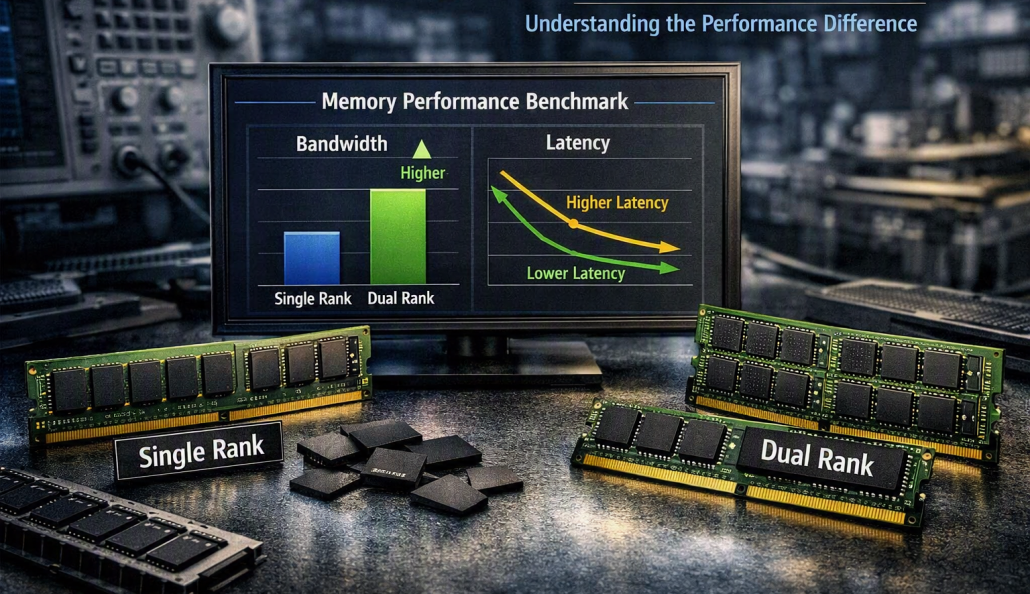
Introduction When shopping for DDR4 or DDR5 memory, most users focus on specifications such as capacity, frequency, and latency. However, there is another technical characteristic that can influence memory performance: memory rank. Terms like Single Rank and Dual Rank often appear in product specifications, yet many users are unsure what they actually mean or how…
31
Julio
Julio
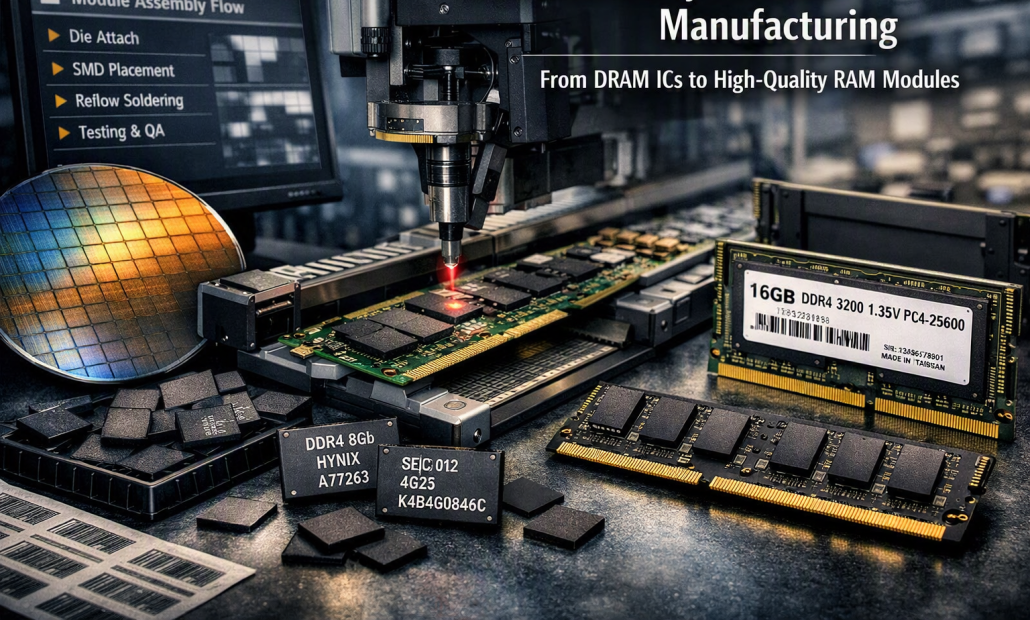
Introduction When purchasing memory modules, most users compare specifications such as capacity, frequency, latency, and memory type. While these specifications are important, they represent only the final performance of the product. For system integrators, OEM customers, distributors, and enterprise buyers, a more important question is How is a high-quality memory module actually manufactured? A reliable…
29
Julio
Julio
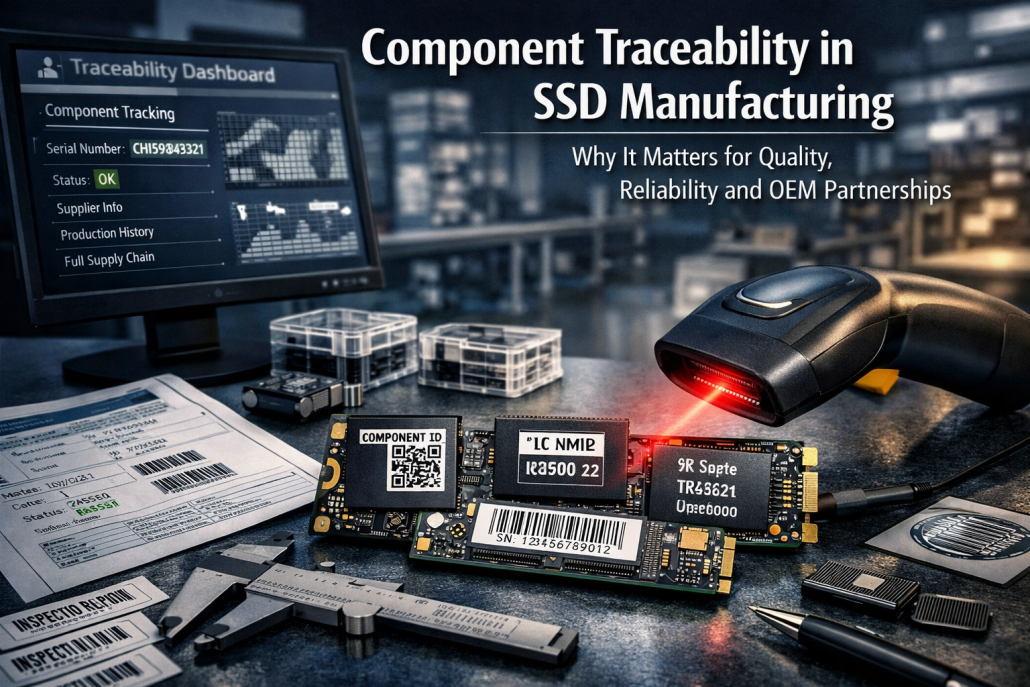
Introduction When evaluating an SSD manufacturer, buyers often compare specifications such as capacity, interface, and performance. However, for distributors, OEM partners, and enterprise customers, another factor is just as important—component traceability. Every SSD is assembled from multiple components, including NAND Flash, controllers, PCBs, DRAM, firmware, and other electronic parts. While these components determine product performance,…
28
Julio
Julio
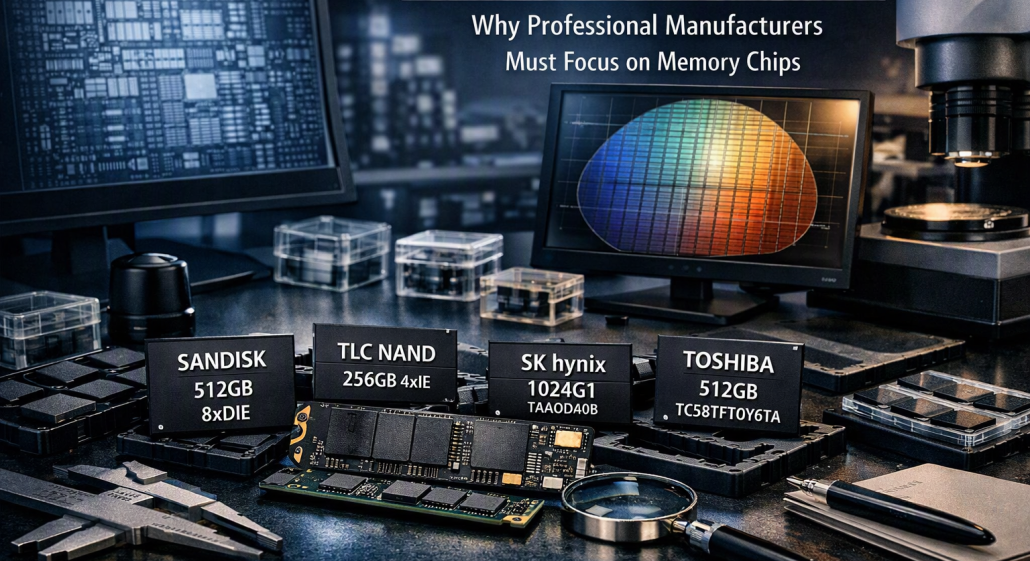
Introduction For SSD buyers, distributors, and OEM customers, choosing a storage supplier involves much more than comparing advertised speed. Specifications such as: Sequential read/write speed PCIe interface Capacity only represent the final product performance. Behind every SSD is a more fundamental decision: What NAND Flash memory is being used, and how is it integrated into…
27
Julio
Julio
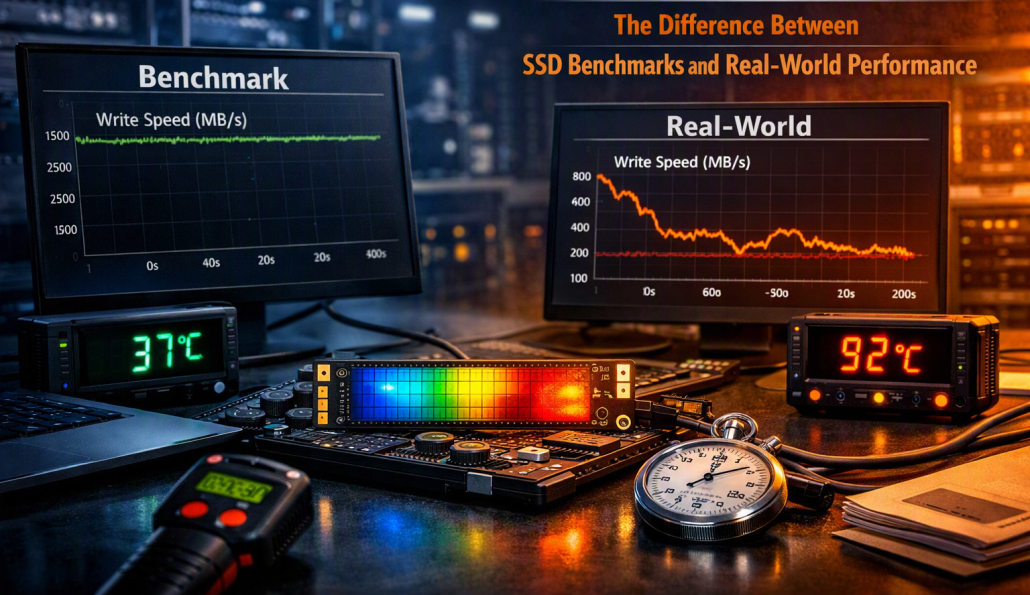
Introduction When selecting a modern SSD, performance numbers are often the first thing users look at. Specifications such as: 7,400 MB/s read speed 6,500 MB/s write speed 14,000 MB/s read speed have become common highlights in SSD marketing. These numbers demonstrate the maximum capability of a storage device under ideal testing conditions. However, in real-world…
24
Julio
Julio
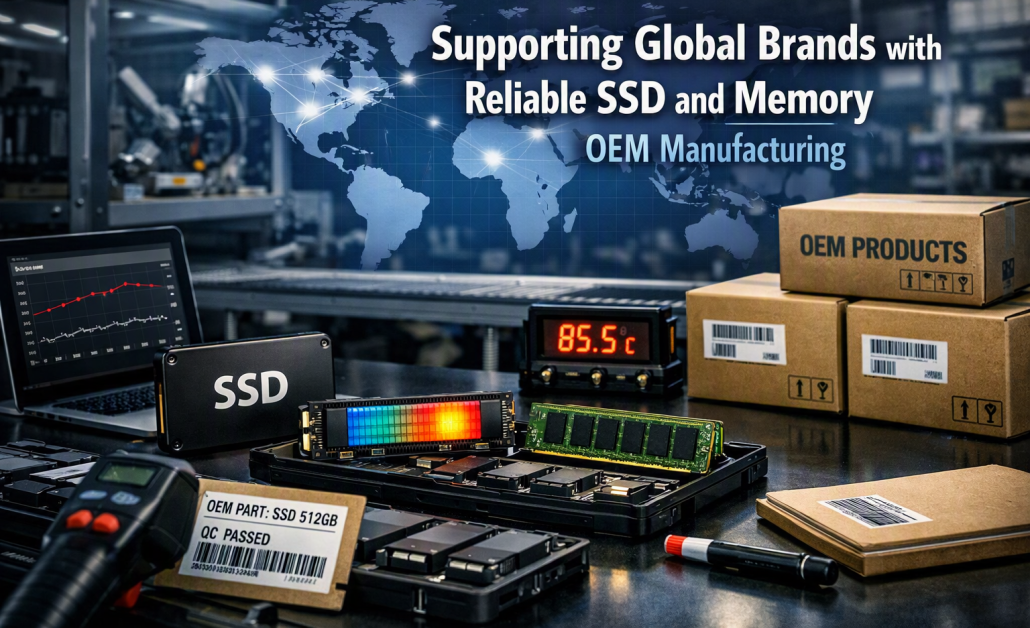
Introduction Building a successful hardware brand requires more than having a good product idea. For companies entering the storage and memory market, finding the right manufacturing partner is one of the most important decisions. A reliable manufacturer does not simply produce products—they provide the engineering capability, quality control, production stability, and technical support needed to…
23
Julio
Julio
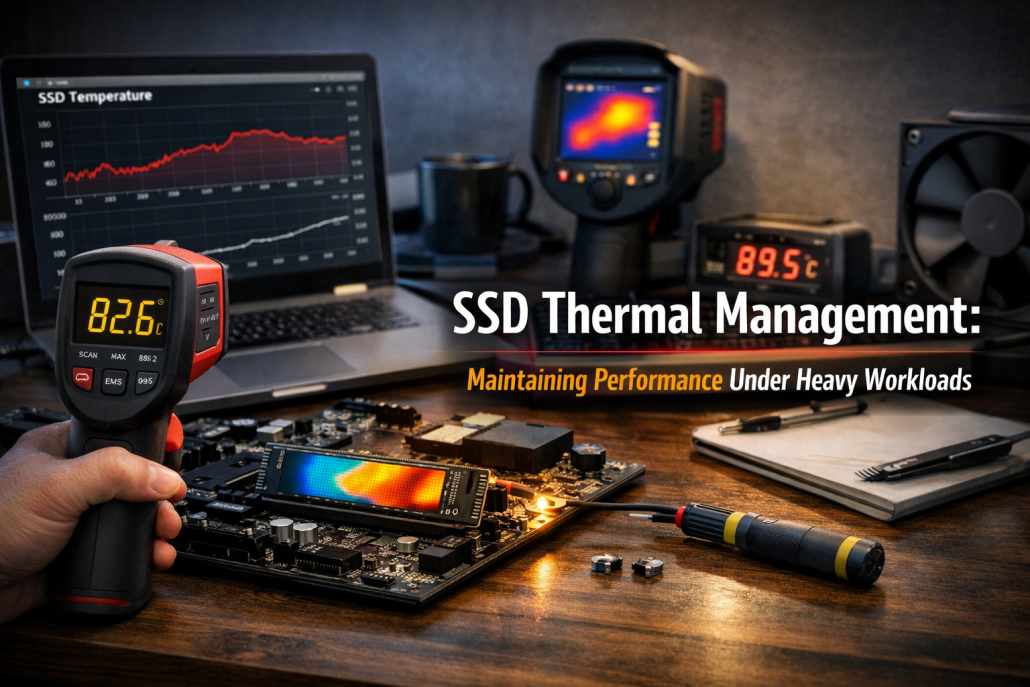
Introduction As SSD technology continues to evolve, storage performance has reached unprecedented levels. Modern PCIe Gen4 SSDs commonly deliver sequential read speeds exceeding 7,000 MB/s, while the latest PCIe Gen5 SSDs are pushing beyond 14,000 MB/s. These remarkable speeds enable faster boot times, shorter application loading, quicker file transfers, and improved productivity across gaming, content…
22
Julio
Julio
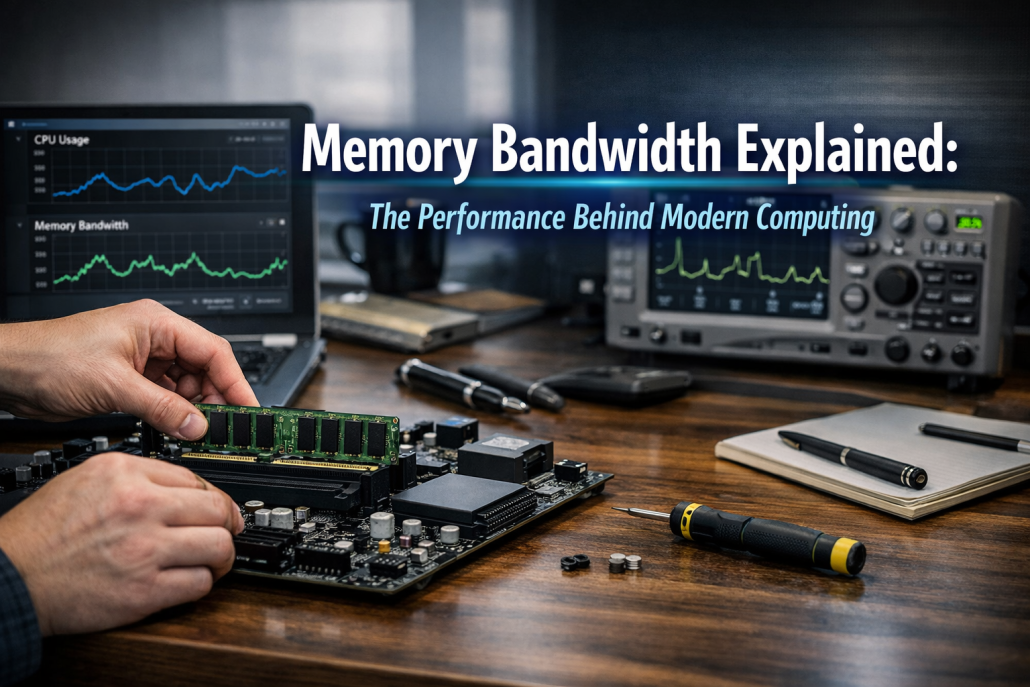
Introduction When choosing memory for a modern PC, many users focus on one specification first: frequency. Numbers such as 3200MHz, 5600MHz, 6000MHz, or even higher speeds have become common marketing points for DDR memory products. However, memory performance is not determined by frequency alone. A faster memory system depends on multiple factors working together, including…