


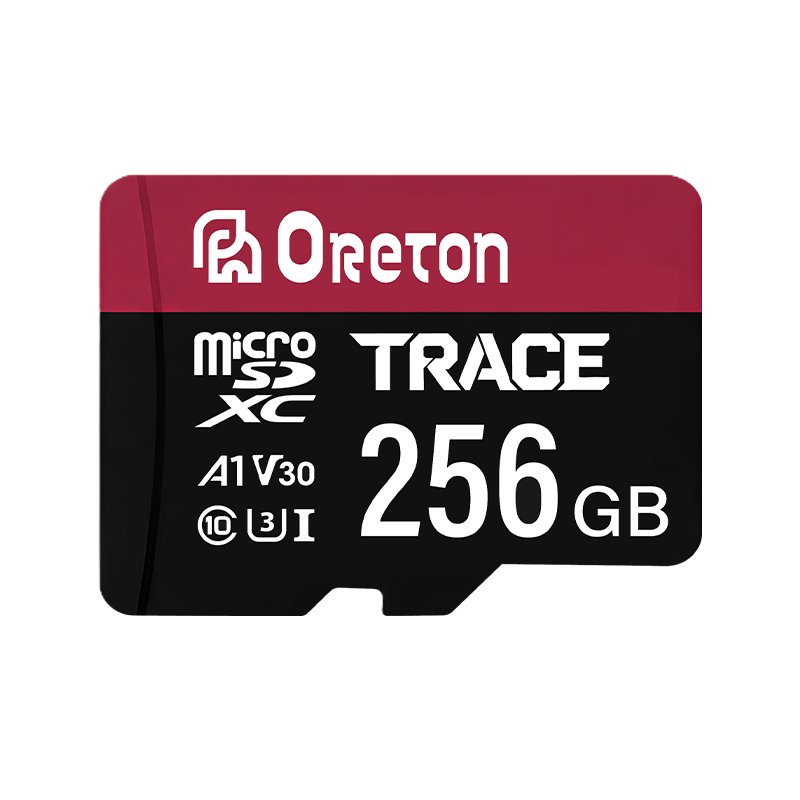


Flexible Procurement, Controlled Production, and Consistent Quality for Long-Term OEM/ODM and Standard Product Supply
1. Introduction: Supply Stability Beyond Product Availability
In the SSD industry, supply stability involves much more than having products available when customers place orders. It requires manufacturers to coordinate material procurement, production planning, inventory management, quality control, and delivery schedules.
For OEM/ODM customers, supply requirements may change according to project progress, product specifications, and market demand. Distributors and brand owners purchasing standard products may have different priorities, such as regular replenishment, predictable lead times, and consistent product specifications across multiple orders.
A reliable SSD manufacturing partner must be able to respond to these different purchasing patterns while maintaining control over production processes and product quality.
The objective is not simply to supply products for individual orders, but to establish a flexible and manageable supply system that supports long-term business cooperation.
2. Forecast-Based Procurement and Production Planning
Effective supply planning begins with understanding customer demand.
In SSD manufacturing, procurement and production decisions depend on several factors, including order quantities, product configurations, component availability, production capacity, and expected delivery schedules.
Understanding Customer Demand
Customer forecasts provide manufacturers with an important reference for preparing materials and organizing production.
For OEM/ODM projects, forecasts may be connected to project schedules, sample approval, and expected mass production requirements.
For standard product programs, purchasing history, replenishment frequency, and distributor inventory levels can help manufacturers estimate future demand.
Although forecasts are not always equivalent to confirmed orders, they provide useful information for planning procurement and production resources.
Coordinating Procurement with Production
Material procurement should be coordinated with the actual production requirements of different SSD models.
For example, different SSD configurations may use different NAND flash specifications, controllers, PCBs, or firmware versions. These differences need to be considered when preparing materials and scheduling production.
A structured procurement plan helps manufacturers reduce unnecessary material shortages, avoid excessive purchasing, and coordinate component availability with production schedules.
Adapting to Changing Requirements
Customer demand can change due to market conditions, project adjustments, or changes in purchasing plans.
Manufacturers need to maintain communication with customers and review forecasts and confirmed orders regularly. Production schedules and procurement arrangements can then be adjusted according to actual requirements and material availability.
This approach allows supply plans to remain flexible without losing control over production commitments.
3. Inventory Management and Supply Buffer Planning
Inventory management plays an important role in maintaining supply continuity.
However, maintaining supply stability does not necessarily mean holding excessive quantities of every component or finished product. Inventory needs to be planned according to demand patterns, material lead times, product characteristics, and procurement risks.
Raw Material Inventory
Critical SSD components, including NAND flash, controllers, and other electronic materials, may have different purchasing cycles and availability conditions.
Manufacturers need to consider component lead times, expected production demand, and procurement risks when determining appropriate inventory levels.
For materials with longer procurement cycles or greater supply uncertainty, additional planning may be necessary to reduce the impact of potential shortages.
Finished Product Inventory
Standard branded products and customized OEM/ODM products may require different inventory strategies.
For standard products, inventory can be organized around established models, historical sales, and expected replenishment demand.
For customized products, inventory planning should take confirmed specifications, customer orders, and project schedules into account. Holding finished products without considering the customer’s actual requirements may create unnecessary inventory pressure, particularly when products have customer-specific labels or packaging.
Balancing Availability and Inventory Efficiency
Effective inventory management requires a balance between product availability and inventory efficiency.
Manufacturers should consider:
- Demand forecasts and historical purchasing patterns.
- Component procurement lead times.
- Production schedules and available capacity.
- Safety stock requirements for critical materials.
- Inventory turnover and the risk of excess stock.
- Changes in product specifications and component availability.
The objective is to establish an inventory structure that supports planned production and customer demand without creating unnecessary supply chain costs.
4. Component Sourcing and Alternative Material Strategies
Component availability is one of the important factors affecting long-term SSD production.
NAND flash, controllers, and other electronic components may experience changes in market availability, procurement lead times, or product lifecycles.
When a component becomes difficult to source, manufacturers may need to evaluate alternative sourcing arrangements or replacement components.
However, component substitution should never be treated as a simple purchasing decision.
Evaluating Alternative Components
Before introducing an alternative component, manufacturers need to evaluate whether it is suitable for the intended SSD configuration.
Relevant considerations may include:
- Electrical and functional characteristics.
- Compatibility with the SSD controller and firmware.
- Performance requirements.
- Capacity and configuration support.
- Reliability and operating conditions.
- Compliance with the approved product specifications.
The evaluation scope depends on the component and the potential impact of the change.
Managing Multiple Supply Sources
Where technically and commercially feasible, maintaining qualified supply sources for critical components can help reduce dependence on a single procurement channel.
However, using multiple sources does not automatically guarantee product consistency.
Different component sources or revisions may introduce variations that require technical evaluation and validation before being used in production.
For OEM/ODM projects, material changes should also be reviewed against customer-approved specifications and contractual requirements.
A responsible sourcing strategy therefore combines procurement flexibility with controlled component qualification.
5. Engineering Change Management and Batch Consistency
Long-term SSD supply requires more than maintaining access to components. Manufacturers must also ensure that product specifications remain controlled when materials, firmware, or production configurations change.
This is particularly important for customers who place repeat orders over extended periods.
Controlling Product Configuration
An SSD product configuration may involve NAND flash, controller models, PCB design, firmware versions, capacity settings, and other technical parameters.
These elements should be documented and managed according to the approved product specifications.
Clear configuration records help manufacturers identify differences between product versions and maintain consistency across production batches.
Evaluating Engineering Changes
When a component becomes unavailable or an alternative is proposed, the change should go through an appropriate evaluation process.
Depending on the change, this may involve:
- Identifying the reason for the proposed change.
- Evaluating its potential impact on product performance and compatibility.
- Conducting necessary sample testing and validation.
- Reviewing customer approval requirements.
- Updating relevant product and production documentation.
Not every component change has the same impact, so the validation scope should be determined according to technical risk and customer requirements.
Maintaining Batch Consistency
For customers placing repeat orders, batch consistency is an important part of supply reliability.
Manufacturers should maintain control over approved specifications, production configurations, firmware versions, and applicable inspection requirements.
If a product change is necessary, it should be managed through a documented process rather than introduced without appropriate evaluation.
This helps reduce unexpected differences between orders and supports more predictable long-term purchasing.
6. Lead Time Management and Supply Risk Response
Delivery reliability depends on coordination across the entire supply process.
The total lead time for an SSD order may include material procurement, production preparation, manufacturing, testing, packaging, and shipment arrangements.
Each stage can affect the final delivery schedule.
Managing Lead Time Expectations
Manufacturers should establish delivery expectations based on actual material availability, production capacity, order quantities, and product requirements.
Standard product orders may follow established production and replenishment arrangements, while customized OEM/ODM orders may require additional time for sample confirmation, packaging preparation, or specific configuration validation.
Clear communication about these differences helps customers organize their own inventory and project schedules.
Identifying Potential Supply Risks
Potential supply risks may include:
- Shortages or delays involving critical components.
- Changes in supplier availability.
- Unexpected increases in customer demand.
- Production capacity constraints.
- Engineering changes or component lifecycle issues.
- Delays in transportation and logistics.
Identifying these risks early gives manufacturers and customers more time to review possible adjustments.
Responding to Supply Disruptions
When a supply disruption occurs, manufacturers should assess its impact on affected product models, production schedules, and customer orders.
Possible responses may include adjusting procurement plans, reviewing qualified alternative components, reorganizing production schedules, or discussing revised delivery arrangements with customers.
Any technical changes must still follow the applicable evaluation, validation, and approval requirements.
The priority should be to find a practical solution without compromising product specifications or quality standards.
7. Evaluating a Long-Term SSD Manufacturing Partner
For OEM brands, distributors, and system integrators, selecting an SSD supplier should involve more than comparing unit prices.
A long-term manufacturing partner needs to demonstrate the ability to support changing customer requirements while maintaining stable product quality and organized supply management.
Customers may consider several important factors.
Product and Supply Flexibility
Can the manufacturer support both customized OEM/ODM projects and established standard product programs?
Can it accommodate different capacities, specifications, branding, and purchasing arrangements within its production capabilities?
Manufacturing and Quality Management
Are product specifications clearly defined? Are material inspection, production control, firmware management, and finished product testing part of the applicable quality process?
Can the manufacturer explain how product changes and batch differences are evaluated?
Procurement and Production Coordination
Does the manufacturer understand material lead times, production planning, and inventory requirements?
Can it coordinate procurement and production schedules according to customer forecasts and confirmed orders?
Communication and Long-Term Support
Can the supplier communicate potential material or delivery changes in a timely manner?
Does it provide clear technical information and coordinate with customers when product specifications or project requirements change?
These factors help customers evaluate whether a supplier can support not only an initial purchase but also ongoing business development.
8. Conclusion: Flexible Supply Planning with Consistent Quality
Long-term supply stability in SSD manufacturing is built through coordinated procurement, inventory planning, component sourcing, production management, and quality control.
Different customers require different supply arrangements. OEM/ODM projects may involve customized specifications and project-based production schedules, while standard product customers often prioritize established models, efficient replenishment, and consistent purchasing conditions.
A capable manufacturing partner should be able to adapt its supply arrangements to these different requirements while maintaining clear product specifications, controlled engineering changes, and strict quality standards.
As a Shenzhen-based SSD and DRAM manufacturer, Oreton supports different customer requirements through OEM/ODM solutions and its standard branded product portfolio. With manufacturing resources, production planning, and quality management as the foundation, Oreton aims to provide flexible supply arrangements that support customers’ ongoing purchasing needs and long-term cooperation.
True supply stability is not about keeping every product unchanged. It is about managing changes responsibly while maintaining the quality, consistency, and reliability customers expect.