





In a year defined by supply-chain volatility, shifting component availability, and fluctuating logistics timelines, one unexpected trend has emerged across global procurement teams and enterprise buyers:
the renewed importance of SATA SSDs.
While PCIe NVMe drives dominate performance discussions, SATA continues to play a strategic role — not because it’s the fastest, but because it’s the most stable, the most predictable, and the most supply-chain-friendly storage architecture available today.
1. Mature Technology = Predictable Availability
SATA SSDs benefit from an ecosystem that has been optimized for more than a decade.
Compared with the rapidly evolving NVMe supply chain, SATA production has:
-
Fewer controller variations
-
Highly standardized testing procedures
-
More consistent BOM stability
-
Mature firmware stacks
For procurement teams navigating uncertain lead times, this maturity translates directly into better supply continuity and fewer unexpected specification changes.
2. High Manufacturing Consistency Across Vendors
Unlike high-performance NVMe drives that rely on cutting-edge NAND and next-gen controllers, SATA SSDs are built on proven processes.
This allows OEMs, system integrators, and distributors to secure:
-
Stable long-term production cycles
-
Lower risk of sudden EOL notices
-
Tighter quality consistency between batches
In high-volume deployments — thin clients, POS systems, education terminals, embedded solutions — consistency often matters more than peak performance.
3. Ideal for “Controlled Supply Chain” Strategies
Across Asia, Latin America, and Europe, an increasing number of companies are shifting toward controlled, predictable supply chains to reduce exposure to global disruptions.
SATA aligns with this shift because it offers:
-
Predictable pricing
-
Mature logistics flows
-
Easier quality assurance for multi-factory sourcing
-
Reduced performance variance in mixed-component builds
In markets where supply chain stability is prioritized over absolute speed, SATA remains a strategic choice.
4. Perfect Fit for Non-Performance-Bound Applications
Most commercial deployments don’t require PCIe 4.0 or 5.0 performance.
SATA SSDs remain the optimal choice for:
-
Office desktops
-
Laptops focused on battery efficiency
-
Government & education procurement
-
Medical & industrial terminals
-
POS / ATM / kiosk systems
-
Cloud cold-storage nodes
These environments value longevity, compatibility, and predictable field performance — areas where SATA excels.
5. Lower Thermal Stress and Better Platform Compatibility
SATA SSDs generate less heat than high-speed NVMe drives, which is increasingly important as systems become thinner, fanless, or thermally constrained.
Lower thermal load means:
-
Higher reliability
-
Fewer throttling issues
-
Better performance on older chipsets
-
Longer component lifespan
This makes SATA a natural fit for large-scale deployments and legacy platform upgrades.
Conclusion: In an Uncertain World, Stable Technologies Gain Value
As the industry races toward PCIe Gen 5 and AI-accelerated architectures, SATA SSDs continue to deliver something equally essential:
supply stability, manufacturing consistency, and long-term reliability.

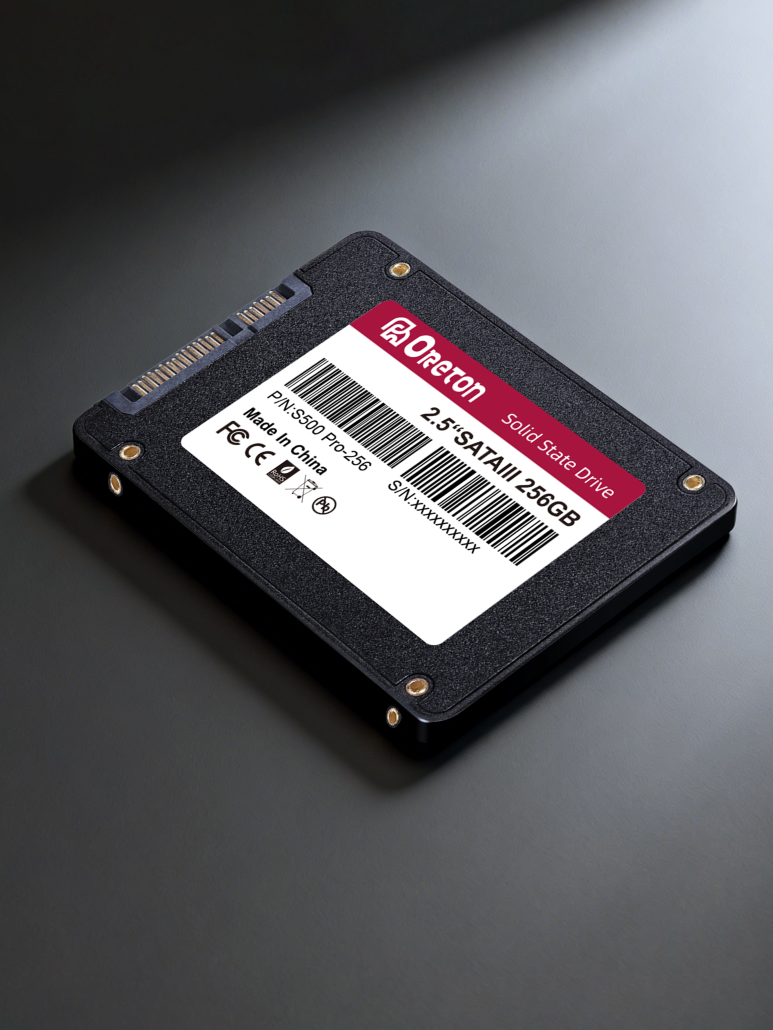
When global supply chains fluctuate, the value of a mature, predictable technology becomes more obvious — and more strategic.
SATA isn’t outdated.
It’s dependable — and in today’s market, that depends on far more than raw speed.