





Memory heatspreaders have become a common feature on modern RAM modules, especially in gaming and high-performance systems. But do they actually improve performance, or are they simply a cosmetic addition? This article explores how memory heatspreaders work, when they make a difference, and what factors have a greater impact on overall memory performance.
Memory Heatspreaders Have Become Standard—But Why?
Take a look at almost any modern desktop memory module, and you’ll notice that many are covered by a metal heatspreader. From entry-level gaming memory to premium overclocking kits, heatspreaders have become a standard part of memory design.
This naturally leads to a common question:
Do memory heatspreaders actually improve performance, or are they mainly for appearance?
The answer is more nuanced than a simple yes or no.
A heatspreader does not make memory inherently faster. It won’t increase frequency, reduce latency, or improve bandwidth by itself. However, under the right conditions, it can help maintain stable operating temperatures, allowing memory to perform more consistently during prolonged workloads.
To understand its real value, it’s important to first understand how memory generates heat.
Why Does RAM Generate Heat?
Although memory modules consume significantly less power than CPUs or GPUs, they still generate heat during operation.
Every time data is written to or read from DRAM chips, electrical signals switch millions of times per second. Higher operating frequencies, increased voltages, and continuous workloads all contribute to additional heat generation.
Several factors influence RAM temperature, including:
- Memory frequency
- Operating voltage
- Workload duration
- Ambient system temperature
- Airflow inside the PC case
- Number of installed memory modules
For standard office applications, heat generation is relatively low. However, during intensive workloads, temperatures can rise considerably.
Examples include:
- 4K and 8K video editing
- 3D rendering
- AI model inference and local AI applications
- Компиляция программного обеспечения
- Scientific computing
- Виртуальные машины
- Continuous gaming sessions
- Memory stress testing and overclocking
In these situations, managing heat becomes more important for maintaining long-term stability.
What Does a Memory Heatspreader Actually Do?
A heatspreader is typically made from aluminum or other thermally conductive metals attached to both sides of the memory module.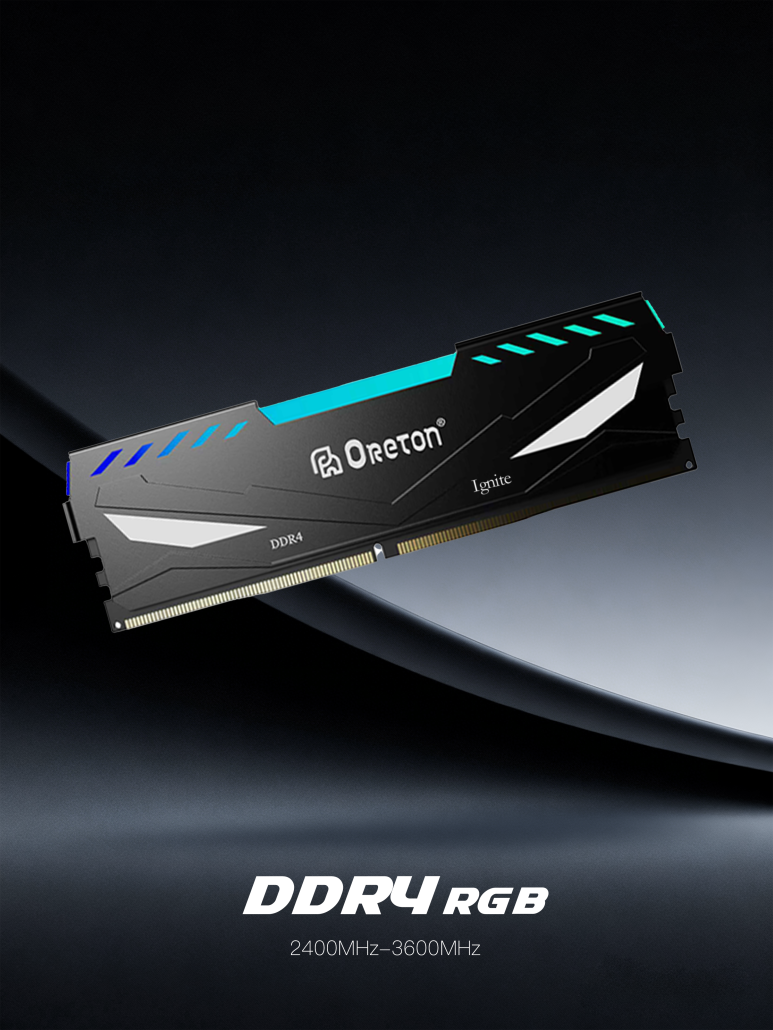
Its primary purpose is not to cool the memory like a CPU cooler, but to improve heat distribution.
Instead of allowing heat to remain concentrated around individual DRAM chips, the heatspreader transfers that heat across a much larger surface area, allowing it to dissipate more efficiently through airflow inside the computer case.
In simple terms:
Without a heatspreader:
- Heat remains concentrated around individual memory chips.
With a heatspreader:
- Heat spreads across the entire metal surface, making it easier for airflow to remove it.
This process helps reduce localized hot spots rather than dramatically lowering overall temperatures.
Does a Heatspreader Make RAM Faster?
This is perhaps the most misunderstood aspect of memory design.
The short answer is:
No.
Installing a heatspreader will не:
- Increase memory frequency
- Improve bandwidth
- Reduce CAS latency
- Increase FPS in games
- Speed up application loading
If two memory kits use the same DRAM chips, operate at the same frequency, have identical timings, and share the same PCB design, adding a heatspreader alone will not produce measurable performance gains in everyday benchmarks.
This is because memory performance is primarily determined by factors such as:
- DRAM chip quality
- Частота
- Memory timings
- Voltage
- PCB design
- SPD programming
- Memory controller compatibility
The heatspreader supports these components by helping control operating temperatures—it does not replace them.
When Does a Heatspreader Actually Help?
Although a heatspreader doesn’t directly increase performance, it can help memory maintain stable operation during demanding conditions.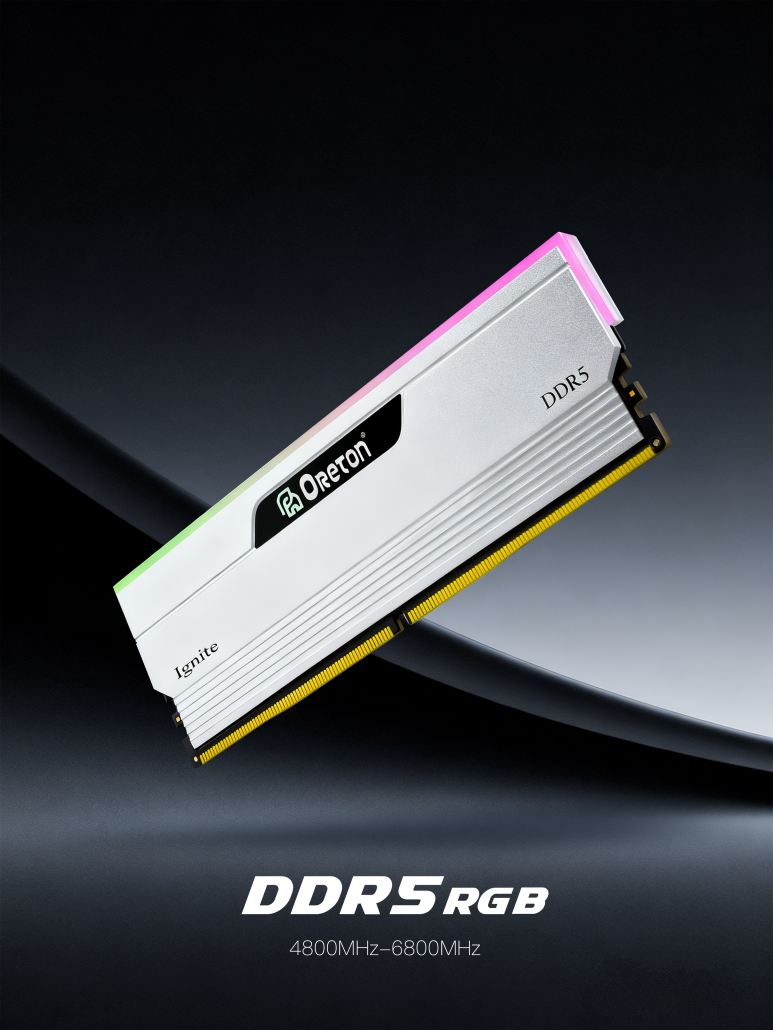
This is particularly valuable in systems that operate under sustained heavy workloads.
Examples include:
Игровые
Modern AAA games can keep both the CPU and memory under continuous load for extended periods, especially when combined with background applications or game streaming.
Создание контента
Applications such as Adobe Premiere Pro, DaVinci Resolve, Blender, and After Effects often utilize large amounts of memory during rendering, video editing, and asset processing.
AI Workloads
Running local AI models using tools like Ollama, LM Studio, Stable Diffusion, или ComfyUI frequently requires large memory capacities and sustained data processing.
Engineering and Scientific Software
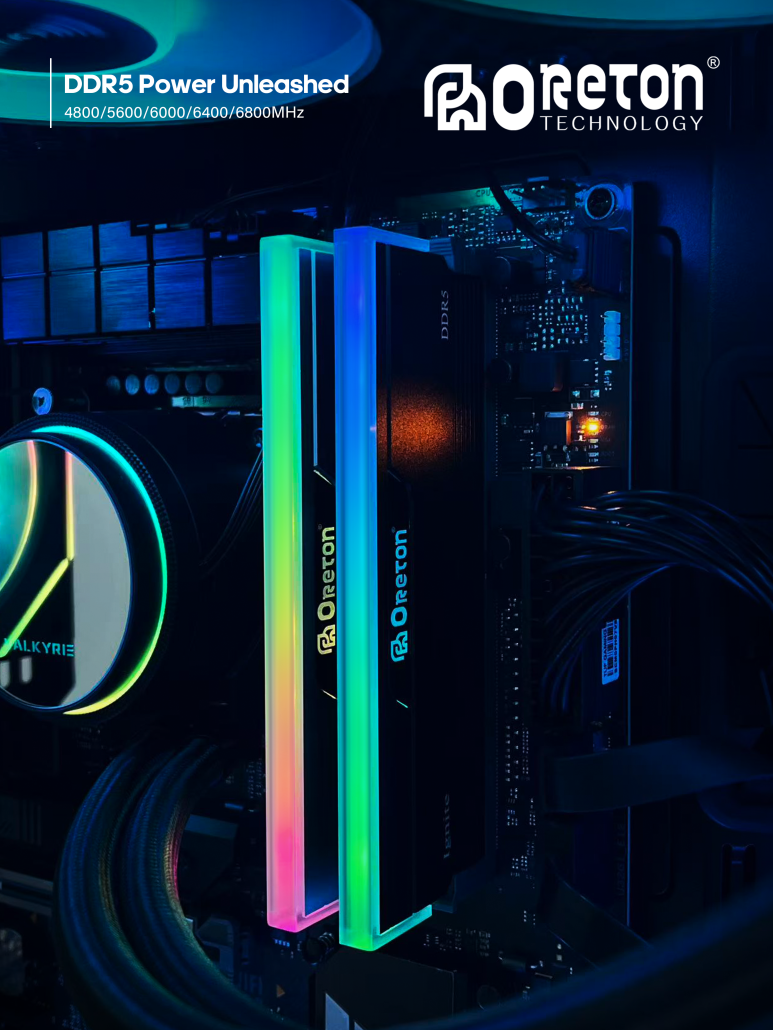
CAD software, simulation platforms, and data analysis tools may keep memory active for hours during complex calculations.
Разгон
Higher frequencies and increased voltages naturally generate more heat. A well-designed heatspreader helps improve thermal stability under these conditions.
In all of these scenarios, maintaining stable temperatures helps reduce the likelihood of instability caused by excessive heat.
When Is a Heatspreader Less Important?
Not every computer requires elaborate cooling for its memory.
For many everyday workloads, memory temperatures remain well within safe operating limits even without large heatspreaders.
К типичным примерам относятся:
- Офисные приложения
- Web browsing
- Online meetings
- POS systems
- Educational computers
- Basic home PCs
In these systems, selecting high-quality memory is generally far more important than choosing the largest or most aggressive-looking heatspreader.
This is one reason why many commercial and industrial memory modules use simple low-profile designs—they prioritize compatibility, reliability, and system integration over aesthetics.
Good Heatspreader Design Is About More Than Cooling
Many people associate larger heatspreaders with better performance.
In reality, effective heatspreader design requires balancing multiple factors.
A well-designed heatspreader should provide:
- Efficient heat distribution
- Strong mechanical protection for the PCB
- Broad compatibility with CPU air coolers
- Appropriate weight and structural rigidity
- Reliable manufacturing quality
- An appearance suitable for the target market
Simply increasing the size of a heatspreader does not automatically improve thermal performance.
Material selection, surface contact, manufacturing precision, and overall product design all contribute to its effectiveness.
At Oreton, our performance memory modules utilize carefully designed aluminum heatspreaders that support efficient heat dissipation while maintaining compatibility with a wide range of desktop platforms. Rather than focusing solely on appearance, we design our products to balance thermal performance, durability, and long-term reliability.
Heatspreaders Are Only One Part of a Reliable Memory Module
While heatspreaders receive significant attention, they represent only one component of overall memory quality.
In practice, the factors that have the greatest impact on performance and reliability include:
High-quality DRAM Chips
The memory chips themselves determine stability, compatibility, and overclocking potential.
PCB Design
A well-designed PCB improves signal integrity and power delivery, helping memory operate consistently.
Accurate SPD Programming
Correct SPD settings ensure memory initializes properly across different motherboards and platforms.
Strict Validation and Testing
Comprehensive compatibility testing helps reduce unexpected issues after installation.
Quality Control Throughout Manufacturing
Consistent production processes ensure that every memory module meets the same performance and reliability standards.
At Oreton, heatspreader design is only one part of our overall manufacturing philosophy. Every memory module undergoes multiple stages of inspection and validation—from component selection and PCB assembly to SPD programming, compatibility verification, and functional testing—to help ensure reliable performance in real-world applications.
Because in professional computing, long-term stability is often more valuable than achieving the highest benchmark score.
Заключение
Memory heatspreaders are neither a marketing gimmick nor a magic performance upgrade.
Their purpose is to improve thermal management by distributing heat more effectively, helping memory maintain stable operating conditions during sustained workloads.
For everyday office users, a heatspreader may have only a limited impact on practical performance. However, for gaming systems, content creation workstations, AI PCs, and overclocked platforms, effective heat management can contribute to improved stability over extended periods of heavy use.
Ultimately, a heatspreader should never be viewed in isolation.
The overall quality of a memory module depends on the combination of high-quality DRAM chips, robust PCB design, accurate SPD programming, comprehensive validation, and strict manufacturing standards.
At Oreton, we believe reliable memory is built through attention to every detail—not just the visible ones. By combining carefully engineered heatspreader designs with rigorous quality control and thorough testing, we strive to deliver memory solutions that provide dependable performance for gamers, professionals, OEM partners, and commercial customers alike.