





As of April 23, 2026, the memory and storage market has entered one of its most closely watched pricing cycles in recent years.
After a long period of oversupply and aggressive price competition, both SSD (NAND Flash) oraz Pamięć DDR prices moved sharply upward through late 2025 and into 2026. For buyers, distributors, and OEM customers, the key question is no longer if prices changed—it is how to plan purchases in a market where supply priorities and pricing logic have shifted.
This article breaks down the latest SSD and DDR price trends, what is driving them, and what buyers should watch next.
1. Market Snapshot: April 2026
According to recent market reports, memory prices rose significantly in Q1 2026, with further increases projected in Q2 2026. TrendForce reported that conventional DRAM contract prices increased 90–95% QoQ in Q1, while NAND Flash contract prices rose 55–60% QoQ. For Q2, DRAM was forecast to rise another 58–63%, while NAND Flash could increase 70–75% QoQ.
This means the market is no longer in a discount phase. It is in a repricing phase.
2. DDR Market Trend: Not All Memory Is Moving the Same Way
DDR prices are rising, but the trend is more nuanced than a simple “upward market.”
DDR5: Demand-Led Growth
DDR5 demand continues to expand due to:
- new desktop and laptop platforms
- server upgrades
- AI-related infrastructure growth
- higher adoption in mainstream systems
As newer platforms normalize DDR5 support, it is becoming the default choice for many new builds.
DDR4: Legacy Demand + Supply Tightness
A more interesting trend is DDR4.
Many buyers expected DDR4 to become cheaper as DDR5 adoption grew. Instead, DDR4 pricing remained firm—and in some cases rose faster—because supply is tightening while installed demand remains large.
TrendForce noted that some suppliers are maintaining end-of-life (EOL) strategies for DDR4 production, reducing future supply availability.
That creates an unusual market dynamic:
| Product | Main Driver | Current Pricing Pressure |
|---|---|---|
| DDR5 | Growing demand | Moderate to strong |
| DDR4 | Tight supply + installed base demand | Strong |
For buyers still serving DDR4 markets, waiting for major price drops may no longer be the safest strategy.
3. SSD Market Trend: NAND Prices Rebound Strongly
SSD pricing is directly tied to NAND Flash costs, and NAND has moved sharply higher in this cycle.
TrendForce projected NAND Flash contract prices to rise 70–75% QoQ in Q2 2026, following already strong gains in Q1.
Why SSD Prices Are Rising:
Production Discipline
Manufacturers reduced output during weaker market periods. As demand recovered, supply tightened faster than many expected.
Enterprise & AI Demand
Data centers and enterprise storage projects continue absorbing NAND supply.
Channel Repricing
Retail and distribution channels are gradually adjusting to higher upstream costs.
4. Spot Market vs Contract Market: Why Pricing Feels Confusing
Some buyers notice that weekly spot prices can move differently from finished product pricing.
For example, TrendForce’s mid-April update showed some DRAM and NAND spot transactions softening slightly as buyers remained cautious at higher levels.
This does nie automatically mean the broader uptrend is over.
Dlaczego?
Because:
- spot prices reflect short-term trading behavior
- contract prices reflect larger volume commitments
- branded product pricing includes inventory timing, logistics, and channel strategy
Short-term fluctuations can happen inside a larger upward cycle.
5. What This Means for Different Buyers
A. OEM Buyers
If your production depends on predictable component cost, late purchasing can create margin pressure.
Key priorities:
- secure supply windows
- qualify alternatives early
- plan capacity ahead of peak demand
B. Distributors / Resellers
Rapidly changing cost bases can compress margins if selling prices lag behind replacement costs.
Focus areas:
- inventory turnover
- flexible purchasing rhythm
- balanced stock positions
C. End Users / Retail Buyers
For consumers, the “best time to buy” may not be the absolute bottom anymore. In rising cycles, delaying too long can mean paying more later.
6. Price Outlook: What to Watch Next
While no market moves in a straight line, buyers should monitor these factors through the rest of 2026:
AI Infrastructure Expansion
More HBM/server demand can continue affecting conventional memory allocation.
Supplier Production Strategy
If output remains controlled, pricing may stay firm.
PC Refresh Demand
Back-to-school, commercial refresh, and seasonal demand can support memory consumption.
Macroeconomic Conditions
Currency movements and global demand confidence still matter.
7. Practical Buying Strategy in This Market
Instead of chasing the perfect low price, many professional buyers are shifting toward:
- staged purchasing plans
- dual-sourcing flexibility
- validated substitute options
- closer demand forecasting
- stronger supplier relationships
In volatile markets, planning often creates more value than guessing.
8. Final Takeaway
The SSD and DDR market in April 2026 is defined by one theme:
Higher prices are being driven by structural changes, not only short-term noise.
DDR5 is growing with platform demand.
DDR4 is supported by legacy demand and tighter supply.
SSD pricing is following NAND’s strong rebound.
For buyers, the smartest move now is not passive waiting—it is informed planning.
O Oreton
At Oreton, we provide SSD and memory solutions aligned with real market needs—from cost-efficient DDR4 deployments to modern DDR5 platforms and flexible SSD configurations.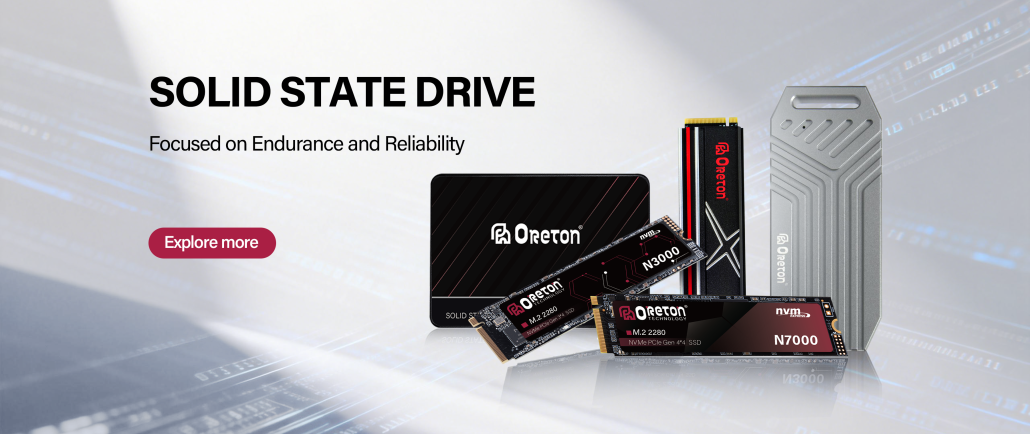
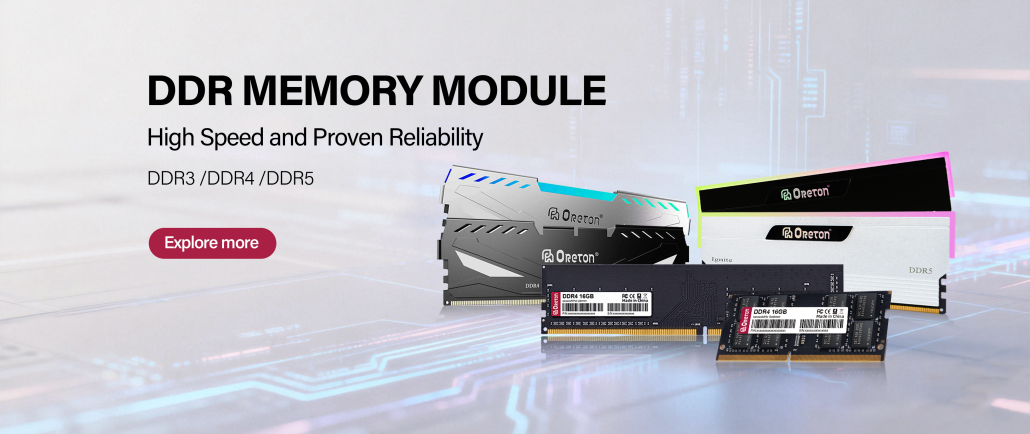
With strict quality control, responsive support, and experience across multiple markets, we help partners navigate changing conditions with greater confidence.
Because in a changing market, the right supply partner matters as much as the right product.