





In the world of modern computing, storage drives are no longer just about capacity and speed. With PCIe 4.0 and PCIe 5.0 SSDs reaching extreme levels of performance, thermal management has become just as important as read/write speeds. When an SSD overheats, it triggers thermische smoring, reducing performance to protect the components. This is where an effective heatsink design makes all the difference.
Why SSDs Overheat
High-speed SSDs, especially NVMe drives, can generate significant amounts of heat during sustained workloads such as:
-
Gaming with large texture streaming
-
Video editing and 3D rendering
-
Data-heavy workloads like AI training or server caching
Without proper cooling, temperatures can quickly rise above 70°C, leading to reduced speeds, shorter lifespan, and even system instability.
The Role of Heatsinks in SSDs
A heatsink works by absorbing and dispersing heat away from the NAND and controller chips. But not all heatsinks are created equal—size, material, surface area, and even how it contacts the SSD matter. A well-designed heatsink should:
-
Maintain stable operating temperatures under heavy load
-
Prevent thermal throttling, ensuring consistent speed
-
Prolong SSD lifespan by reducing thermal stress
-
Integrate seamlessly with different motherboard and case layouts
New Trends in SSD Thermal Design
As SSD speeds increase, manufacturers are innovating with thermal solutions:
-
Slim low-profile heatsinks for compatibility with laptops and compact builds
-
Magnetic or tool-free heatsink attachments for easy installation and upgrades
-
Hybrid materials (aluminum + graphene) for better heat dissipation
-
Aesthetic designs that match gaming setups with RGB elements
Oreton’s New Heatsink SSD
Op Oreton, we recently introduced a new heatsink design for our N7000 series SSD. While the drive itself continues to deliver reliable PCIe 4.0 performance, the new heatsink brings:
-
Improved surface contact with the controller for faster heat transfer
-
Durable yet lightweight construction, avoiding bulky designs
-
Better thermal stability during intensive workloads like gaming or content creation
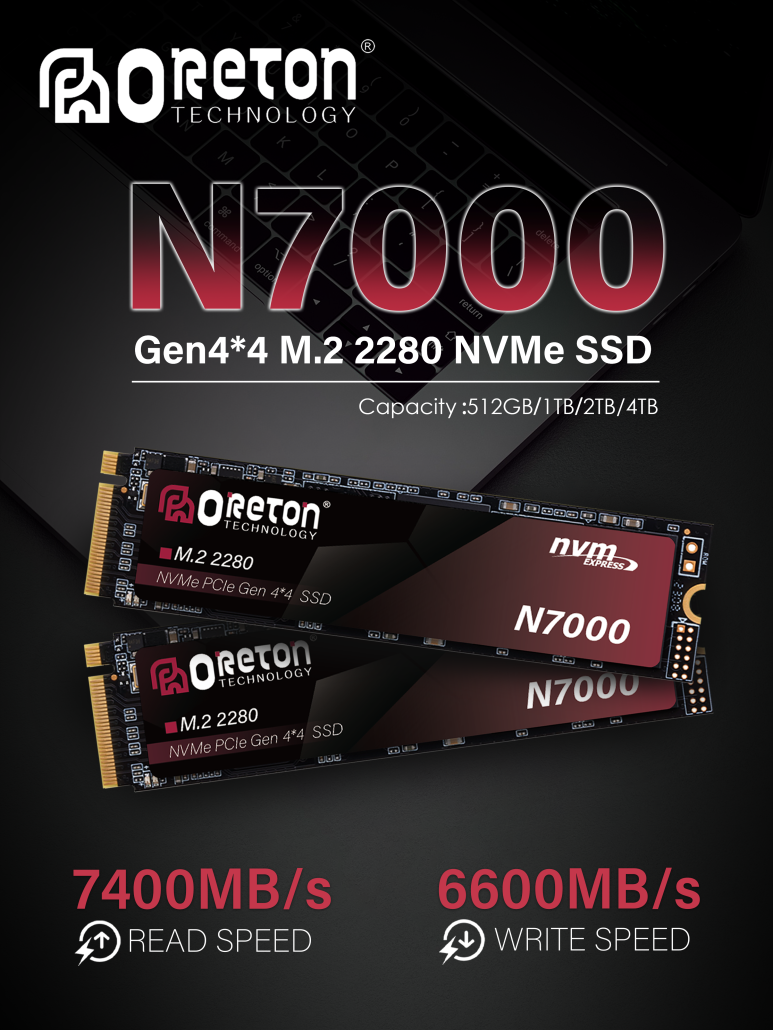
The result? Consistent high-speed performance without the risk of overheating, making it a solid choice for users who need both power and reliability.
Laatste gedachten
As SSD performance evolves, cooling will no longer be a side consideration—it’s part of the performance equation. A smart heatsink design ensures that your storage not only runs fast but also stays reliable over time.
If you’re building a system where stability matters as much as speed, exploring SSDs with optimized thermal solutions is the next step forward.