




Balancing OEM/ODM Customization, Standard Product Programs, and Consistent Quality Standards
1. Introduction: Different Customers, Different Supply Requirements
In the global SSD market, customers have different expectations when selecting a manufacturing and supply partner. OEM brands may require customized product specifications, private labeling, and packaging solutions, while distributors and regional retailers often prefer established product models that can be purchased and replenished efficiently.
These different requirements call for more than a one-size-fits-all supply strategy. SSD manufacturers need to offer flexible product solutions while maintaining consistent manufacturing standards, quality control, and delivery capabilities.
For B2B customers, flexibility should not come at the expense of product reliability. Whether a project involves customized OEM/ODM products or standard branded SSDs, clear specifications, controlled production processes, and consistent quality requirements remain essential.
2. Understanding Different Customer Supply Requirements
Before developing a supply solution, manufacturers need to understand the customer’s business model, target market, and application requirements.
Different customer groups may have different priorities:
- OEM Brands: Require products developed around their own specifications, branding, packaging, and market positioning.
- System Integrators: Focus on hardware compatibility, product configurations, performance requirements, and consistent supply for ongoing projects.
- Distributors and Wholesalers: Often prioritize established product specifications, competitive product portfolios, manageable inventory, and reliable replenishment.
- Regional Retail Brands: May need a combination of standard products and customized branding or packaging to serve local markets.
Understanding these differences helps manufacturers determine the appropriate product configuration, production arrangements, and supply model for each customer.
A flexible manufacturer should be able to support different purchasing requirements without introducing unnecessary complexity into production or compromising established quality standards.
3. OEM/ODM Customization: Building Solutions Around Customer Needs
OEM and ODM services allow customers to develop SSD products that align with their own brands, technical requirements, and target markets.
Depending on the project scope, customization may involve several areas.
Product Specifications and Hardware Configuration
Customers may specify storage capacities, interfaces, form factors, and performance requirements according to their target devices and applications.
For example, SSD projects may involve SATA or NVMe interfaces, M.2 2280 or 2.5-inch form factors, and different capacity options such as 512GB, 1TB, 2TB, and 4TB.
The selected hardware configuration needs to be evaluated as a complete product solution. Controller, NAND flash, PCB design, firmware, and other components must work together to meet the agreed specifications.
Branding and Packaging Customization
For customers building their own storage brands, product presentation is also an important part of the supply solution.
Depending on project requirements, manufacturers may support:
- Customer logos and product labels.
- Customized product identification and packaging.
- Barcode and specification label arrangements.
- Different packaging formats for retail or distribution channels.
- Product appearance requirements, where applicable.
These options allow customers to establish a consistent brand identity while relying on the manufacturer’s production and quality management capabilities.
Sample Validation and Production Preparation
Before mass production, customized products should go through a structured validation process.
This may include sample confirmation, specification verification, functional testing, performance evaluation, and compatibility checks based on the intended application.
Once the product configuration and requirements are confirmed, the manufacturer can establish the corresponding production specifications and quality inspection criteria.
This process helps reduce misunderstandings between customers and manufacturers and provides a clearer foundation for repeat orders.
4. Standard Branded Products: Consistency and Purchasing Efficiency
Not every customer needs a fully customized product program. For distributors, wholesalers, and businesses looking to expand their storage product portfolios, established branded products can offer a more straightforward purchasing option.
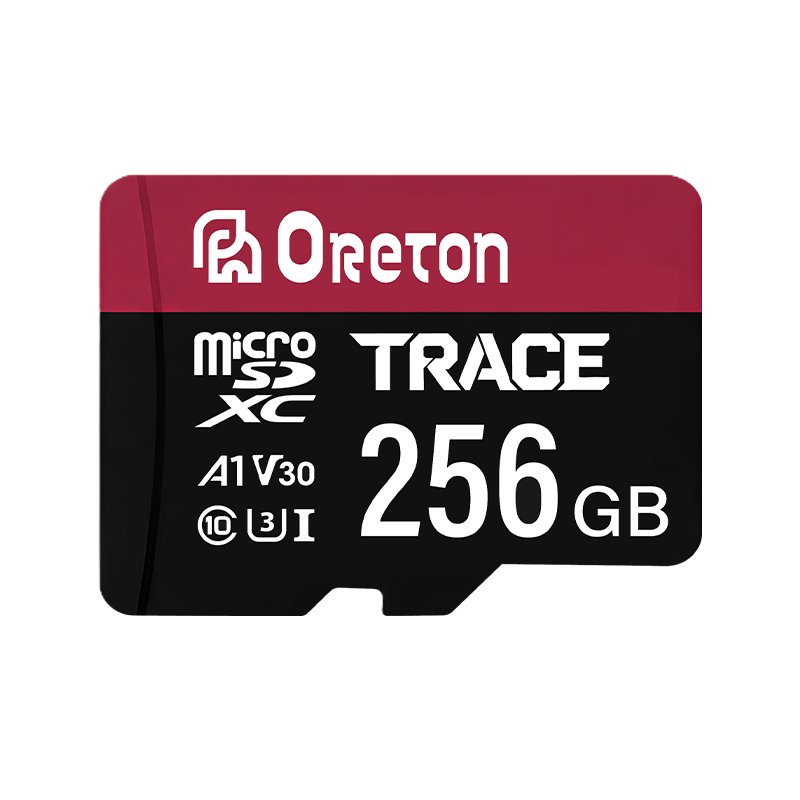
Oreton’s standard product portfolio provides customers with defined product models and specifications across SSD and memory categories.
Rather than developing a new product configuration for every order, customers can select from existing product models based on their market positioning, capacity requirements, and target applications.
This approach offers several practical advantages:
- Defined Product Specifications: Established models provide clearer technical references for purchasing and product selection.
- Simplified Product Introduction: Customers can work with existing product configurations instead of starting a new customization process.
- More Efficient Replenishment: Standardized models make repeat purchasing and inventory planning easier to organize.
- Consistent Product Management: Defined specifications and production requirements provide a foundation for maintaining product consistency across batches.
Standard products are particularly suitable for customers who value purchasing efficiency, established product references, and ongoing supply arrangements.
However, standardization does not mean that product quality requirements can be relaxed. Each product must continue to meet its defined specifications and applicable inspection requirements.
5. One Quality Standard Across Different Supply Models
Flexibility in product solutions must be supported by strict quality management.
Whether an SSD is manufactured for an OEM/ODM customer or supplied under the Oreton brand, its product requirements should be clearly defined and controlled throughout the manufacturing process.
Key quality management areas include:
Incoming Material Inspection
Critical components such as NAND flash, controllers, PCBs, and other electronic materials need to be evaluated against applicable purchasing and product requirements.
Material selection and component consistency are important foundations for stable SSD manufacturing.
Production Process Control
Manufacturing processes need to follow established production specifications. Relevant parameters, assembly procedures, and process records help maintain consistency during production.
Firmware and Configuration Management
Firmware versions and product configurations should be controlled to ensure that finished products correspond to their approved specifications.
This is especially important for customized projects involving different capacities, hardware configurations, or customer-specific requirements.
Functional and Performance Testing
Finished SSDs should undergo appropriate testing according to their product specifications and inspection plans.
Testing may cover capacity recognition, interface functionality, read/write performance, and other relevant operating requirements.
Final Quality Inspection
Before shipment, finished products should be checked against applicable product and order requirements, including model identification, specifications, appearance, and packaging.
The purpose is to ensure that both customized and standard products meet their defined requirements before reaching customers.
The key principle is straightforward: customization changes the product solution, not the commitment to quality. Standard products may simplify purchasing, but they must follow equally clear manufacturing and inspection requirements.
6. Flexible Supply Planning for Different Purchasing Models
Product flexibility also needs to extend to supply planning.
OEM/ODM projects and standard product orders often follow different purchasing patterns. Customized projects may require coordination around sample approval, production preparation, and specific delivery schedules. Standard product customers may place recurring orders based on inventory levels and market demand.
Manufacturers need to consider these differences when organizing procurement, production capacity, and inventory.
For customized projects, production planning should be connected to confirmed specifications, approved samples, and customer order schedules.
For standard products, manufacturers can organize production and inventory planning around established product models, historical demand, and purchasing forecasts.
In both cases, communication between the customer and manufacturer is important. Clear forecasts, order confirmations, and delivery expectations help reduce uncertainty and support more efficient supply arrangements.
A flexible supply strategy should adapt to customer purchasing needs while keeping production and quality requirements under control.
7. Conclusion: Flexibility Supported by Consistent Manufacturing Standards
Long-term cooperation in the SSD industry requires manufacturers to understand that customers do not all need the same supply solution.
Some businesses need customized OEM/ODM products that reflect their own technical requirements and brand identity. Others prefer established branded products with defined specifications and a more straightforward purchasing process.
Supporting both approaches requires flexible product planning, clear communication, controlled production, and strict quality management.
As a Shenzhen-based SSD and DRAM manufacturer, Oreton supports different customer requirements through its OEM/ODM solutions and standard branded product portfolio. By combining product flexibility with defined manufacturing and quality requirements, the goal is to build supply relationships that support customers’ purchasing needs and long-term business development.
The right supply solution should adapt to each customer’s business, while maintaining consistent expectations for product quality and reliability.