





Key Factors to Consider Beyond Price and Speed
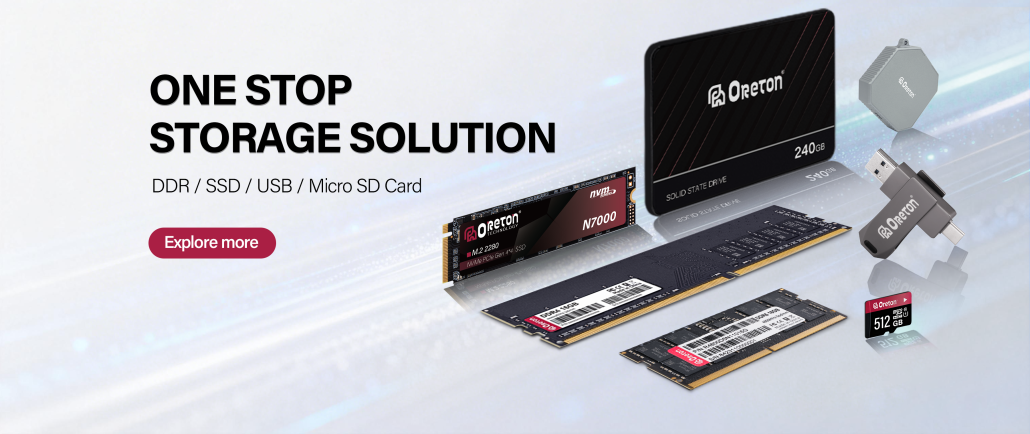
When sourcing SSD (Solid State Drives) and memory (RAM), many buyers focus primarily on price, speed, and capacity. While these are undoubtedly important factors, there are several critical aspects often overlooked that can significantly impact the long-term performance, reliability, and cost-effectiveness of memory and storage solutions.
In this article, we’ll dive into the key factors that buyers often miss during the sourcing process, helping businesses make more informed decisions.
1. Component Quality and Consistency
Why It Matters for Long-Term Performance
When sourcing SSDs and memory, it’s crucial to evaluate component quality and ensure consistent manufacturing processes. This includes:
- NAND Flash Types (SLC, MLC, TLC, QLC): Each type has its own endurance and performance characteristics. For example, QLC NAND is cheaper but less durable, while SLC offers higher reliability but comes at a premium price.
- DRAM IC Selection: The quality of the DRAM ICs used in memory modules affects not only performance but also long-term stability and overclocking potential.
- Batch Consistency: Even slight variances in component batches can impact overall product performance and reliability. A reliable supplier ensures consistent quality across batches.
What to look for:
- Manufacturers with strict quality control processes
- Suppliers offering batch guarantees and validation procedures
- Transparency in component sourcing and production processes
2. Endurance and Wear Leveling (Especially for SSDs)
Why Endurance is Crucial for Long-Term Usage
Unlike HDDs, SSDs have a limited write endurance. This means that their storage cells wear out after a certain number of write cycles. However, livellamento dell'usura e over-provisioning can significantly extend the lifespan of an SSD.
- Endurance Ratings (TBW / DWPD): Manufacturers often provide TBW (Total Bytes Written) or DWPD (Drive Writes Per Day) ratings. These ratings give buyers an idea of how much data can be written to the drive before it starts to degrade.
- Wear Leveling Algorithms: These algorithms ensure that data is written evenly across the SSD’s cells, preventing certain cells from wearing out faster than others.
What to look for:
- Endurance ratings that align with your workload requirements
- Reliable wear leveling and over-provisioning in SSD designs
- Suppliers who can provide transparent failure rates e product lifecycle data
3. Compatibility and Integration with Existing Systems
Ensuring Seamless Deployment
Another often overlooked factor is the compatibility of the SSDs and memory with the existing systems. Buying high-performance components is one thing, but ensuring they integrate seamlessly into your environment is another.
- System Compatibility: SSDs and memory modules may need to be specifically compatible with certain schede madri, chipsets, e operating systems.
- Form Factor: With SSDs, especially, it’s essential to choose the correct form factor (e.g., SATA, NVMe, M.2, U.2).
- Speed vs. Actual Use Case: Not all workloads need the fastest speeds. For many consumers or businesses, mid-range SSDs or memory solutions may provide more than sufficient performance at a lower cost.
What to look for:
- Compatibility checks with system requirements e future upgrades
- Form factor e interface compatibility
- Prioritize real-world performance rather than raw specs
4. Total Cost of Ownership (TCO) Beyond the Purchase Price
Why Upfront Costs Aren’t the Whole Story
Many buyers focus primarily on the initial purchase price of SSDs or memory modules, but the total cost of ownership (TCO) is often a more accurate measure of long-term value.
- Energy Efficiency: Some SSDs and memory modules consume more power than others. Over time, the energy costs of operating these devices can add up significantly.
- Failure Rates and Returns: Frequent hardware failures lead to higher maintenance costs and increased downtime. Sourcing reliable components minimizes the need for replacements and reduces operational risks.
- Warranty and Support: A higher initial cost for products with longer warranties and better customer support can often result in greater cost savings in the long run.
What to look for:
- Energy efficiency ratings (especially for data centers or large deployments)
- Longer warranties and better after-sales support
- Supplier reputation for product reliability e customer service
5. Supply Chain Stability and Lead Times
Why Timely Delivery is Key to Business Operations
One of the most overlooked factors when sourcing SSDs and memory is the supply chain stability of the manufacturer. Delays in production or shipping can cause significant disruptions, especially in fast-paced industries or during product launches.
- Lead Times: Suppliers with longer lead times may not be able to meet tight deadlines. On the other hand, suppliers with stock on hand or reliable production schedules can ensure that your business runs smoothly.
- Vendor Reliability: Il ability of vendors to meet delivery deadlines and maintain stock levels can make or break a project, especially for large-scale deployments.
What to look for:
- Suppliers with reliable delivery schedules
- Stock availability and consistent supply
- Vendors with a proven track record of on-time delivery
Conclusion: Sourcing SSD and Memory Effectively

When sourcing SSDs and memory modules, it’s critical to think beyond just the initial price and speed. Factors like component quality, resistenza, system compatibility, total cost of ownership, e supply chain stability can greatly impact the success of your project.
A Oreton, we prioritize affidabilità, costanza delle prestazioni, e long-term support to help our partners succeed in today’s competitive hardware market. Our products are designed to meet the needs of demanding environments, ensuring both quality and consistency across all deployments.
Contact Us Today
Interested in learning more about Oreton’s SSD and memory solutions?
Visit our website or contact our team at email to explore our products and discover how we can support your hardware sourcing needs.