





In the global hardware industry, high-end products often receive the most attention. Faster speeds, premium designs, flagship launches, and cutting-edge technology usually dominate headlines.
But in many real markets, growth is being driven somewhere else.
Across emerging economies, value-focused retail channels, education projects, office deployments, and practical upgrade segments, buyers are making decisions based on a different set of priorities:
- affordable pricing
- dependable quality
- balanced performance
- stable supply
- products suited to everyday needs
These are known as price-sensitive hardware markets—and for many brands, they represent one of the most important growth opportunities in 2026.
Understanding Price-Sensitive Markets
A price-sensitive market is not simply a market that wants the lowest price.
It is a market where purchasing decisions are made carefully because budgets matter, margins matter, and every dollar must create practical value.
This includes:
- distributors managing competitive retail channels
- system builders serving budget-conscious customers
- schools and institutions purchasing in volume
- office projects requiring cost control
- consumers upgrading older PCs instead of buying new systems
- regional markets with stronger focus on value than brand prestige
In these segments, buyers still care about quality—but they evaluate value differently.
Why These Markets Matter More in 2026
Several global trends are increasing the importance of practical-value hardware segments.
1. Longer Device Lifecycles
Many users are keeping computers longer instead of replacing them quickly.
That creates demand for:
- SSD upgrades
- RAM expansions
- replacement components
- affordable performance improvements
The upgrade market continues to grow because extending device life often costs less than full replacement.
2. Cost-Conscious Consumer Behavior
Even when demand remains healthy, buyers are more selective.
Instead of paying for premium specifications they may never use, many customers prefer:
- the right capacity
- stable daily performance
- trusted compatibility
- better price-to-performance value
This creates opportunities for brands that understand real user priorities.
3. Expanding Digital Access
In many developing regions, more households, students, and small businesses are entering digital ecosystems.
That means growing demand for practical computing hardware such as:
- entry-level PCs
- notebooks
- storage upgrades
- memory upgrades
- affordable mini systems
Volume can be significant when solutions are aligned with market realities.
Where the Opportunities Are
A. SSD Upgrades for Older Systems
One of the strongest opportunities in price-sensitive markets is replacing hard drives with SSDs.
For users with older laptops or desktops, an SSD often delivers a visible improvement without the cost of a new machine.
Benefits buyers understand immediately:
- faster boot times
- quicker app loading
- smoother daily use
- lower cost than replacing the PC
This makes entry and mid-range SSDs highly relevant.
B. DDR4 Memory Demand
While newer platforms are moving to DDR5, DDR4 remains important in many regions because a large installed base still depends on it.
For practical markets, DDR4 offers:
- lower platform cost
- wide compatibility
- sufficient everyday performance
- easier upgrades for existing systems
For many channels, DDR4 remains a business opportunity—not outdated inventory.
C. Value-Focused Capacity Segments
Not every market prioritizes the largest capacity available.
Strong demand often exists in practical capacities such as:
- 256GB / 512GB SSDs
- 8GB / 16GB memory
- right-sized configurations for office and education use
These products often match real budgets more effectively than premium tiers.
D. Mini PC and Compact Business Systems
Small offices, education environments, counters, kiosks, and home workspaces often need practical systems with low space requirements and controlled budgets.
Compact hardware solutions continue gaining relevance where function matters more than excess specifications.
What Buyers in These Markets Really Want
Brands sometimes assume price-sensitive customers only ask for lower cost.
In reality, experienced buyers usually want balance across several factors:
Reliable Quality
Low failure rates matter because returns are expensive.
Stable Supply
Availability matters more than one-time discounts.
Consistent Specifications
Repeat orders should match expectations.
Responsive Communication
Fast answers help customers move faster.
Practical Product Positioning
The right product sells better than the highest-end product.
Common Mistakes Brands Make
Some suppliers miss these markets because they focus only on premium narratives.
Common mistakes include:
- overspec products that exceed real demand
- ignoring mainstream capacities
- unstable supply planning
- treating low-price markets as low-value markets
- competing only on cheapest price
Price-sensitive markets reward smart positioning, not careless discounting.
How Brands Can Win
Successful growth usually comes from combining value with discipline.
Offer the Right Range
Include practical capacities and mainstream configurations.
Protect Product Quality
Affordable products still need dependable standards.
Understand Local Demand
Different regions prioritize different features.
Support Partners Well
Service and communication often influence repeat business.
Build for Long-Term Presence
Sustainable growth beats short-term price wars.
فكرة أخيرة
The future of hardware growth is not limited to premium segments.
Some of the strongest opportunities are found where customers buy carefully, compare seriously, and reward real value.
Price-sensitive markets are not markets to underestimate.
They are markets to understand.
نبذة عن أوريتون
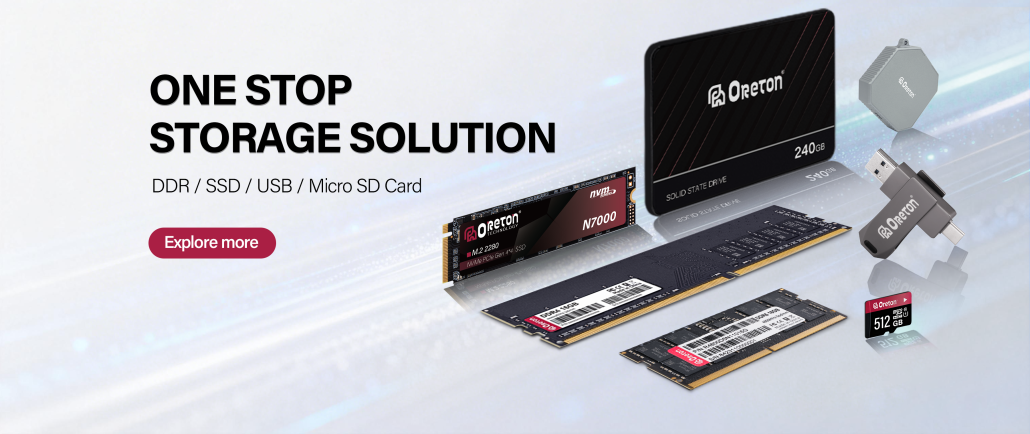
At Oreton, we provide practical SSD, memory, and compact computing solutions designed for real market needs.
From cost-efficient DDR4 and mainstream SSD capacities to flexible configurations for different regions, our focus is stable quality, dependable supply, and long-term cooperation.
Because growth happens when products match reality.